Samaaro + Your CRM: Zero Integration Fee for Annual Sign-Ups Until 30 June, 2025
- 00Days
- 00Hrs
- 00Min

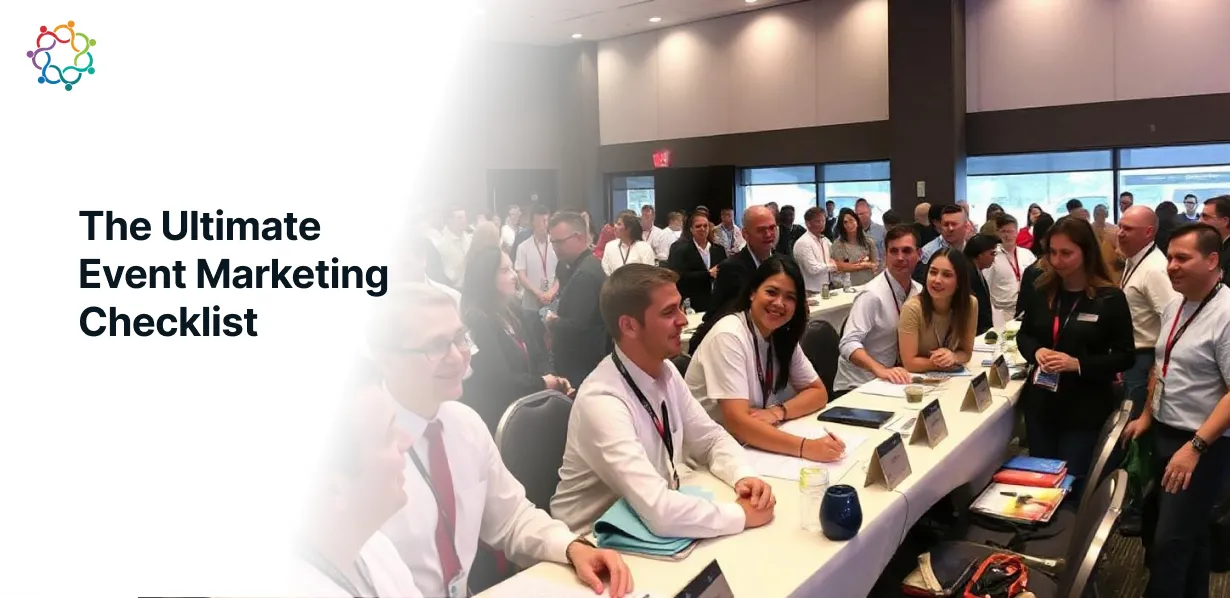
Events with a clear marketing plan see 30% more attendance. They generate 20% more leads. The difference? They don’t wing it.
A marketing checklist forces you to think through every phase. Pre-event. During. Post-event. It keeps you from scrambling at midnight two weeks before launch. It catches gaps early. It builds momentum systematically.
This checklist walks you through the entire event marketing lifecycle. From early planning to post-event follow-up. Use it to stop chaos from derailing your event.
Chaos is the enemy of good event marketing. A checklist solves this.
Organization matters. You create your timeline once. You don’t waste energy figuring out what to do next. Everything is already mapped out. You follow the plan instead of inventing it under pressure. This saves time and reduces mental load.
Efficiency happens because tasks break down into chunks. You’re not looking at “event marketing” as one giant blob. You’re looking at specific actions. Social media content. Email sequences. Registration page optimization. Registration setup. Each task is clear. You know when you’re done.
Risk goes down. Most planners miss something important. A checklist prevents this. Did you set up the landing page? Create the email nurture sequence? Schedule pre-event social content? The checklist says yes or no. Missing something becomes obvious.
Six months before your event, start here. Don’t jump to promotion yet. Build the foundation first.
Define Your Goals and Audience
What’s the event actually for? Brand awareness? Lead generation? Thought leadership? Network building? Pick one primary goal. Everything else flows from this.
Know your target audience. Not “marketing professionals.” Be specific. “Marketing directors at SaaS companies with $10-50M revenue in North America.” Age, role, industry, pain points, decision-making style. The more specific, the better your messaging lands.
Create Brand Messaging
Write one clear statement about what the event offers. Not “Join us for a great event.” More like: “Learn how to reduce event planning time by 40% while improving attendee experience. Hear from three companies who did it.” Specific benefits. Real outcomes.
Test this messaging. Does it resonate with your target audience? Share it with five people from your ICP. Does it make them want to register? If not, rewrite it.
Choose Your Channels
Where does your audience actually spend time? LinkedIn? Email? Twitter? Industry publications? Facebook? Don’t use all channels. Use the three to five where your audience lives. This is where you’ll concentrate effort and budget.
Build Your Event Website and Landing Pages
Your website is the hub. People land here from every channel. Make it work. Include the agenda. Speaker bios. Testimonials from past events. Clear registration path. Mobile-friendly design. One button that says “Register Now.” No friction.
Create dedicated landing pages for paid ads. One landing page for the LinkedIn campaign. Another for Google ads. Another for email outreach. Track which converts best. Optimize the winner.
Plan Your Content Calendar
Three months of content. Blogs. Videos. Infographics. Social posts. Email messages. Outline it all now. When? What format? Who creates it? This prevents last-minute scrambling and ensures consistent messaging.
Social media campaigns start here. Email nurture sequences launch. Paid advertising begins. This phase is about building awareness and converting interest into registrations.
Launch Social Media Campaigns
Post teaser content. Speaker announcements. Agenda highlights. Behind-the-scenes snaps. Use your event hashtag in every post. Run paid promotion to expand reach. Don’t just post and hope. Boost posts that perform. Rerun successful ads. Drive traffic to your landing page and craft engaging social media content for your events to drive real engagement.
Social media is a conversation, not a broadcast. Reply to comments. Ask questions in posts. Run polls about topics attendees care about. This builds community before the event even starts.
Execute Email Marketing
Segment your email list. Past attendees get different content than new prospects. Prospects get educational content about the event topic. Customers get VIP information and early-bird pricing. Each segment gets messaging relevant to them.
Send a welcome sequence to new email subscribers. Who are you? Why should they care about this event? What will they learn? Space these out. Three to five emails over three weeks. Not all at once. Nurture, don’t overwhelm.
Conduct PR Outreach
Write a press release. Hit send to relevant media. Talk to journalists covering your industry. Pitch a speaking slot for your event organizer on a podcast. Get ink. Get mentions. Media coverage adds credibility that paid ads never will.
Optimize Registration
Test your registration flow. Can people register in two minutes? Are there technical glitches? Friction kills conversions. Fix anything that slows people down. Mobile registration matters too. Most people register on phones.
The work is done. Now execute.
Keep Social Hype Going
Post daily countdown graphics. Share speaker highlights. Go behind the scenes. Attendees want to feel like they made the right choice. New prospects still deciding? Show energy. Show value. Show why they should register while spots remain.
Manage On-Site Registration
Staff the registration desk well. Friendly people. Clear signage. Fast check-in. First impression matters. Make people feel welcome the second they walk in.
Go Live on Social Media
Post throughout the event. Photos from keynotes. Video clips of speakers. Quotes that resonated. Ask attendees to share using your hashtag. This extends reach beyond the physical room. People watching online feel connected.
Collect Real-Time Feedback
Quick polls during the day. Quick surveys between sessions. “Was this valuable?” “What topic should we cover next?” Capture the feedback while it’s fresh. This data shapes your next event.
Don’t disappear after the event ends. That’s when relationships deepen.
Survey Participants
Send a survey within 24 hours while memories are fresh. Ask what they loved. Ask what fell flat. Ask what they want at the next event. Make it short. Five questions maximum. Long surveys don’t get completed. Use ticketing and registration data to send surveys automatically to attendees.
Promote Event Highlights
Write a blog post about the event. Feature top speakers. Include attendee testimonials. Add photos. Share on social media and email. This serves two purposes. Attendees see themselves featured. They share it. New prospects who didn’t attend see the quality. They register for the next one.
Nurture the Leads
Every lead you captured gets personal follow-up. Not a mass email. A note referencing what they discussed with you at the event. Share relevant content they asked about. Invite them to a one-on-one call. Make each lead feel like they matter.
Data tells the truth. Look at it.
Analyze the Numbers
How many people registered? Attended? How many qualified leads did you capture? What’s the cost per lead? Compare this to your goal. Look at which channels brought the best attendees. Which source generated the most leads? Repeat what worked. Cut what didn’t.
Review Attendee Feedback
Read the survey responses. What did people love? Implement that next time. What was confusing or frustrating? Fix it. Did speakers resonate? Book them again. Did the venue feel wrong? Find a new one.
Engage Post-Event
Send a monthly newsletter to attendees and leads for three months after the event. Share industry insights. Mention upcoming events. Keep the conversation going. This transforms one-time attendees into community members.
Don’t build this alone. Use tools.
Event management platforms like Samaaro handle registration, email automation, and attendance tracking. One place for everything. One dashboard showing metrics. Less manual work. More focus on strategy.
Social media management tools like Hootsuite and Buffer let you schedule posts weeks in advance. Plan once, post automatically. Analytics tell you what worked. Double down on that.
Analytics tools show you what actually happened. Google Analytics. Social platform analytics. Email open rates. Click-through rates. Where did registrations come from? Which messages resonated? Data drives decisions.
Events fail not because the idea is bad. They fail because planning is scattered. A checklist fixes this. It forces intentionality. It prevents missed steps. It creates momentum.
Follow this checklist. Adapt it to your event. Use the tools that fit your team. Execute consistently across all phases.
Your next event will show up differently. Better attendance. Better leads. Better engagement. That’s what happens when marketing strategy is actually strategic.
Ready to execute this checklist? Learn how social media drives event attendance and builds community. Schedule time with our team today to map your event marketing strategy and see how the right platform accelerates your success.