Samaaro + Your CRM: Zero Integration Fee for Annual Sign-Ups Until 30 June, 2025
- 00Days
- 00Hrs
- 00Min

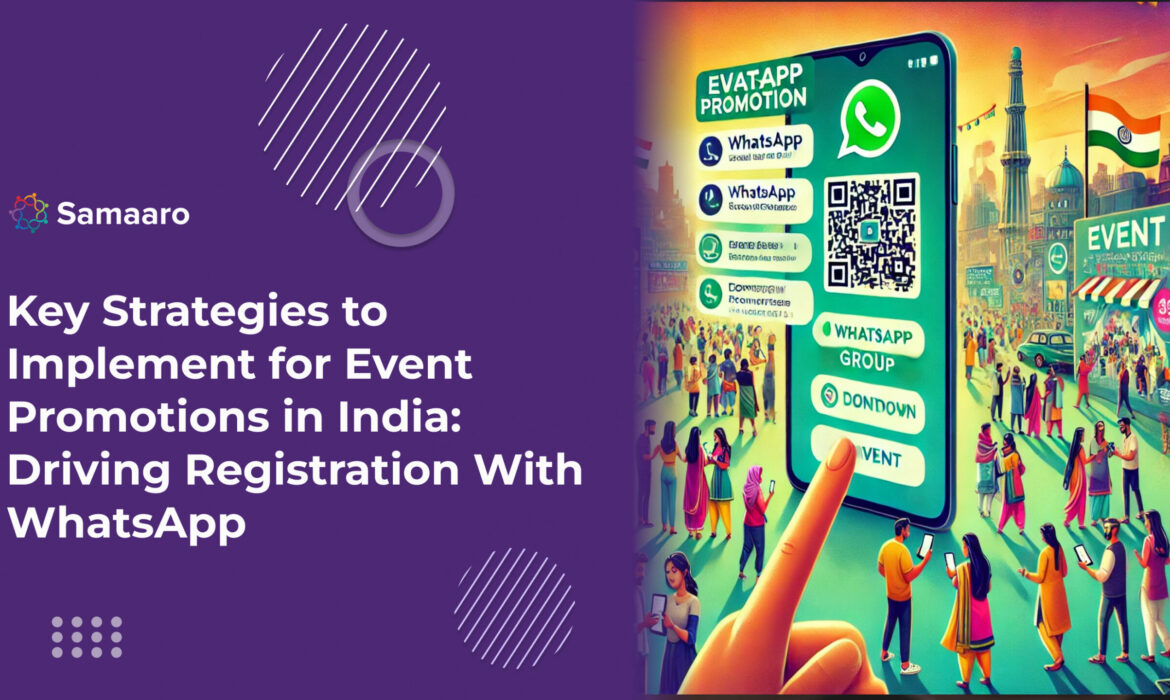
WhatsApp has become India’s default communication channel, for personal messages and business alike. With more than 500 million users in the country, it gives event organizers a direct, low-cost, high-engagement way to drive registrations. Corporate summit, trade show, cultural festival, it doesn’t matter, WhatsApp groups let organizers reach different audiences quickly with messaging built for each one.
This piece covers how to actually use WhatsApp groups to lift registrations, segment and engage audiences by region, and get more out of WhatsApp’s newer features for event marketing.
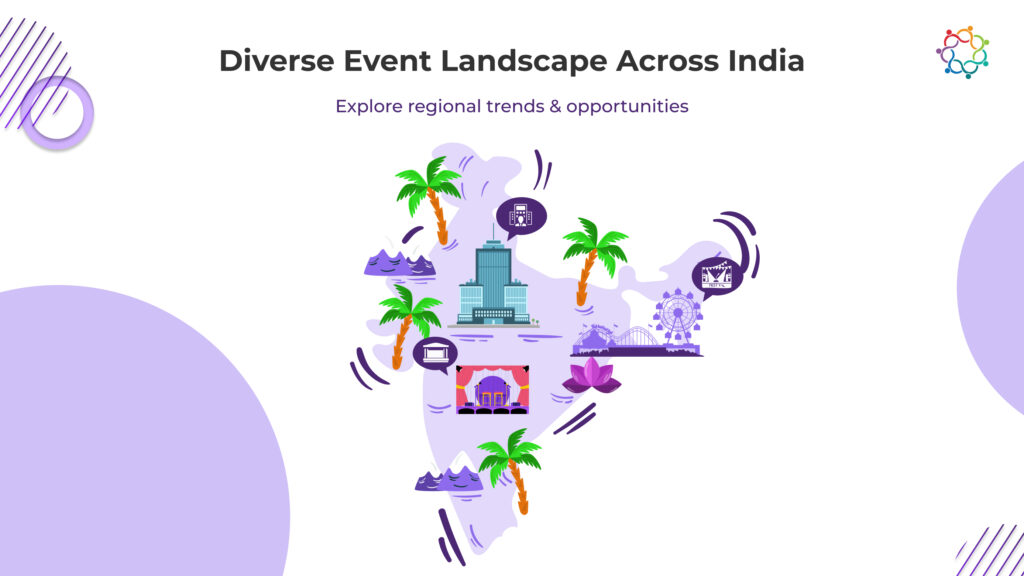
India’s event industry is one of the largest in the world, spanning corporate conferences and trade expos driven by IT, pharma, and manufacturing, cultural and entertainment festivals drawing massive crowds, and a steady stream of community meetups and networking sessions.
As digital adoption accelerates, email and social ads alone don’t cut it anymore. Audiences expect direct, real-time communication, and that’s exactly the gap WhatsApp fills.
A few trends explain why. Mobile use in India is enormous, and WhatsApp’s penetration of the smartphone market far outpaces what email or social reach can deliver. A large share of internet users also prefer content in a regional language, which makes WhatsApp’s localized, multilingual messaging especially valuable in Tier 2 and Tier 3 cities where event participation keeps growing.
Mass broadcasting doesn’t work as well as it used to either, so group segmentation and one-on-one messaging matter more than a generic blast. And where email open rates typically sit in the 20 to 30 percent range, WhatsApp messages get read at a far higher rate, which makes reminders, quick answers, polls, and sneak peeks all genuinely effective.
Understanding these dynamics is what lets an organizer use WhatsApp to actually boost registrations and build a real relationship with attendees, not just blast a link and hope.
Not sending the same message to everyone is not the best way to use WhatsApp. Instead, organizers should carefully divide groups. A few useful strategies:
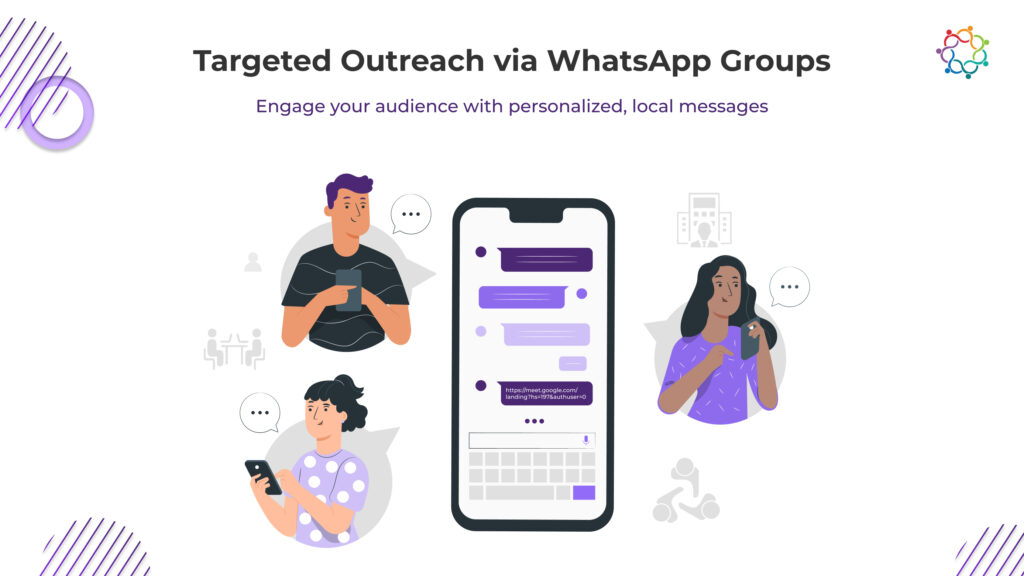
For one-to-one promotion without building out multiple groups, a broadcast list works well since messages land in someone’s inbox looking personal rather than group-wide. A few practices help: segment contacts before a bulk send, personalize with a name or a reference to a past event, keep the message short with a clear call to action, and use an image or a short video where it actually adds something.
Combined with well-segmented groups, broadcast lists round out a genuinely structured promotional approach.
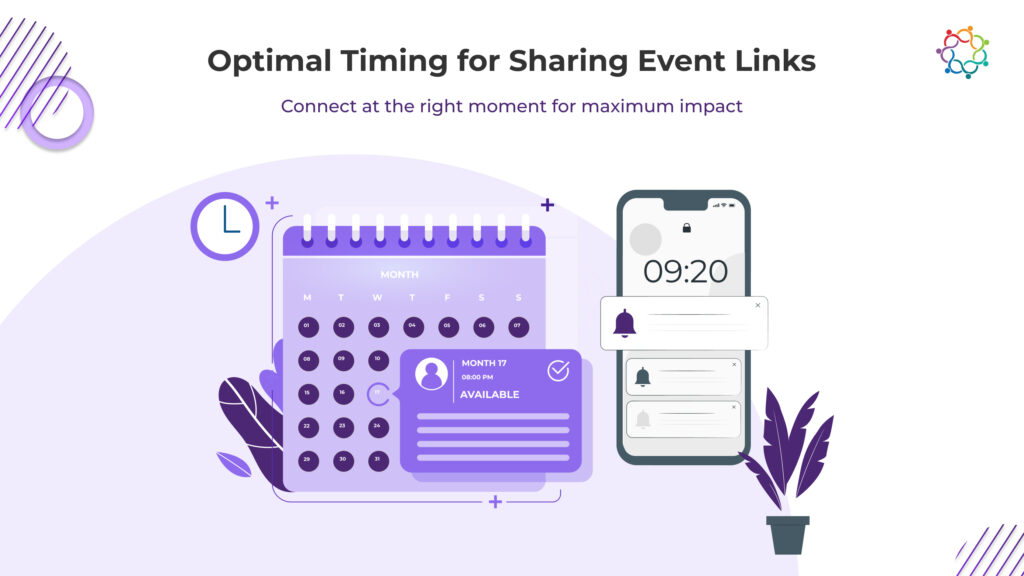
Timing shapes engagement as much as the message itself. In India, daily routines shift when people actually check WhatsApp. Early morning, before the workday starts, and evening, once people are unwinding, both tend to see strong engagement, along with a window during lunch. Messages sent during core office hours or late at night tend to get buried or ignored.
The message itself matters just as much. Keep it short, since WhatsApp is a fast-moving platform. Lead with a clear call to action, something specific like “seats filling fast, register here,” rather than a vague invitation. Personalize where possible, include an image or short video, and use a regional language where it fits the audience.
A/B testing message length, media type, tone, and timing against different segments is what actually tells you which combination performs, rather than guessing.
Influencer marketing has grown fast in India, and local influencers carry more trust with their specific community than a national celebrity ever could. Their followers see the recommendation as personal, and that carries into how the event itself gets perceived.
A regional micro-influencer, someone in the 5,000 to 100,000 follower range, working in a relevant category, business, tech, entertainment, tends to reach exactly the right niche WhatsApp groups an organizer might not otherwise access. Exclusive invites, short teaser videos, and live coverage or testimonials all give an influencer something genuine to share rather than a flat promotional post.
As an illustration of the kind of result this approach can produce: a regional business summit that partnered with local creators to share early-access links reportedly saw a meaningful registration lift within days, and a music festival that worked with local musicians promoting through voice notes and WhatsApp statuses reportedly drove a strong wave of sign-ups within a week. Results like these will vary by market and audience, but they illustrate the kind of lift a trusted local voice can add over a purely organizational promotion.
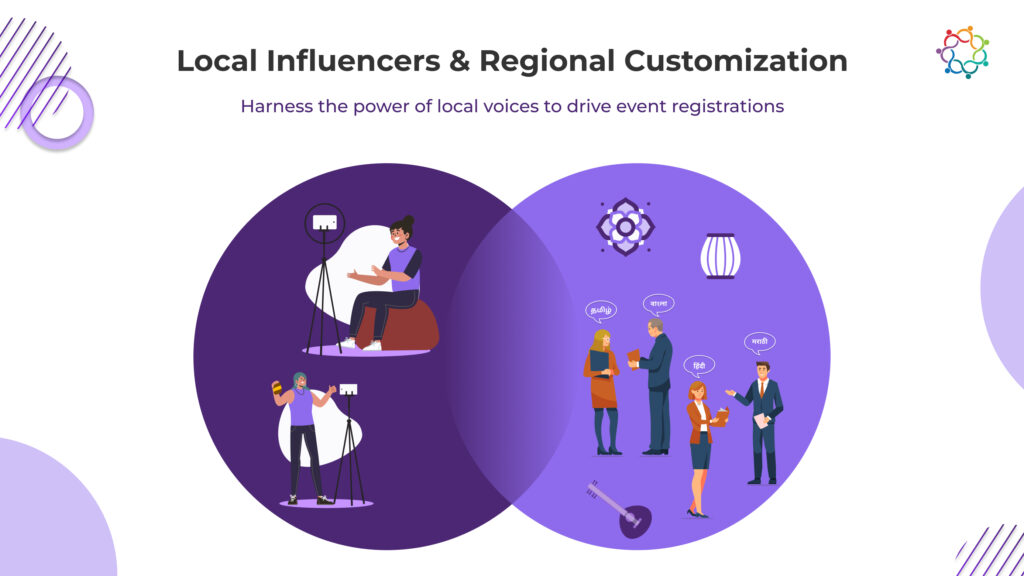
India’s diversity goes past language into cultural habits and communication preferences, and a single national strategy rarely performs the same way everywhere.
North India responds well to high energy promotion with direct, powerful graphics. South India responds more to comprehensive, structured communications. West India is quite good at influencer content and multimedia content. East India is generally partial to promotion by trusted local figures with community endorsement.
Language adaption helps also, an invite in Tamil for a Chennai event usually does better than an English only version. The visual design should also change by area, more minimalist for the South Indian population, more lively for the North. Timing is a different ball game too: IT hub towns like Bangalore and Hyderabad are most responsive around lunch or late evening, while Delhi and Mumbai lean toward early morning and Tier 2/3 cities are most engaged in the evening once the workday has wound down.
WhatsApp Business gives organizers real tools for this: automated welcome and away messages, quick replies for common questions about tickets or schedules, and catalogs that function like a digital brochure, ticket tiers, speaker lists, venue details, all inside the chat itself.
Labels help manage a growing contact list by status, interested, registered, VIP, so follow-up stays targeted. Multi-language support lets the same campaign run in English, Tamil, Marathi, or Bengali depending on the audience. A verified business account with a complete profile and click-to-chat links from social media all add legitimacy and make it easier for someone to actually reach out.
Message open rates, click-through rates, conversion rate, and where people drop off in the funnel are the metrics worth tracking closely. A/B testing, response-time analysis, and a basic read on message sentiment all help refine the next campaign instead of repeating the last one blind.
Looking ahead, a few developments are worth watching: AI chatbots handling routine inquiries and recommendations directly inside WhatsApp, deeper integration between the WhatsApp Business API and event platforms like Samaaro for real-time attendee tracking, WhatsApp Pay making ticket purchases frictionless, and richer group management tools for large event communities. Automated event communications tying these pieces together is what actually makes a WhatsApp strategy scale past a handful of manually managed groups.
Promoting an event successfully on WhatsApp in India comes down to understanding audience behavior, regional diversity, and genuinely strategic engagement, not just sending more messages. Segmented groups, well-timed content, local influencer partnerships, and region-specific messaging all compound into something that actually moves registration numbers, and the same personalization logic extends naturally into networking-focused events where attendee-to-attendee connection matters just as much as registration itself.
An event management platform built to connect WhatsApp activity with registration and CRM data is what turns these tactics into something repeatable across events, rather than a one-off campaign nobody can quite recreate next time.
Ready to take your event promotions further? Book a demo with Samaaro today.
1. Is WhatsApp Business API free to use for large-scale event promotions?
No. WhatsApp Business API prices are on a per conversation basis by message category and volume. The free WhatsApp Business app is good for small events, but not for large scale promotion.
2. What are the legal or opt-in requirements for sending bulk WhatsApp promotional messages in India?
India requires clear user opt-in before promotional WhatsApp messages, following Meta’s business policies and India’s data protection rules. Collect consent at registration and keep a record of it.
3. How can organizers avoid their WhatsApp number getting blocked or marked as spam?
Get genuine opt-ins, use approved message templates, limit sending frequency, honor opt-outs immediately, and monitor your quality rating. Blocks come from spam reports, so relevance is what actually protects the account.
4. How can event organizers import WhatsApp registration data directly into their CRM?
Push WhatsApp registrations, answers and clicks directly into CRM data via a platform or API connector. Samaaro easily integrates WhatsApp marketing data with registration and CRM systems
5. How can organizers analyze the ROI especially of WhatsApp-driven registrations versus other channels?
Assign distinct registration links and promo codes to WhatsApp campaigns, and then compare conversion, cost per registration and lead quality to email, social and other channels within your analytics.