Samaaro + Your CRM: Zero Integration Fee for Annual Sign-Ups Until 30 June, 2025
- 00Days
- 00Hrs
- 00Min

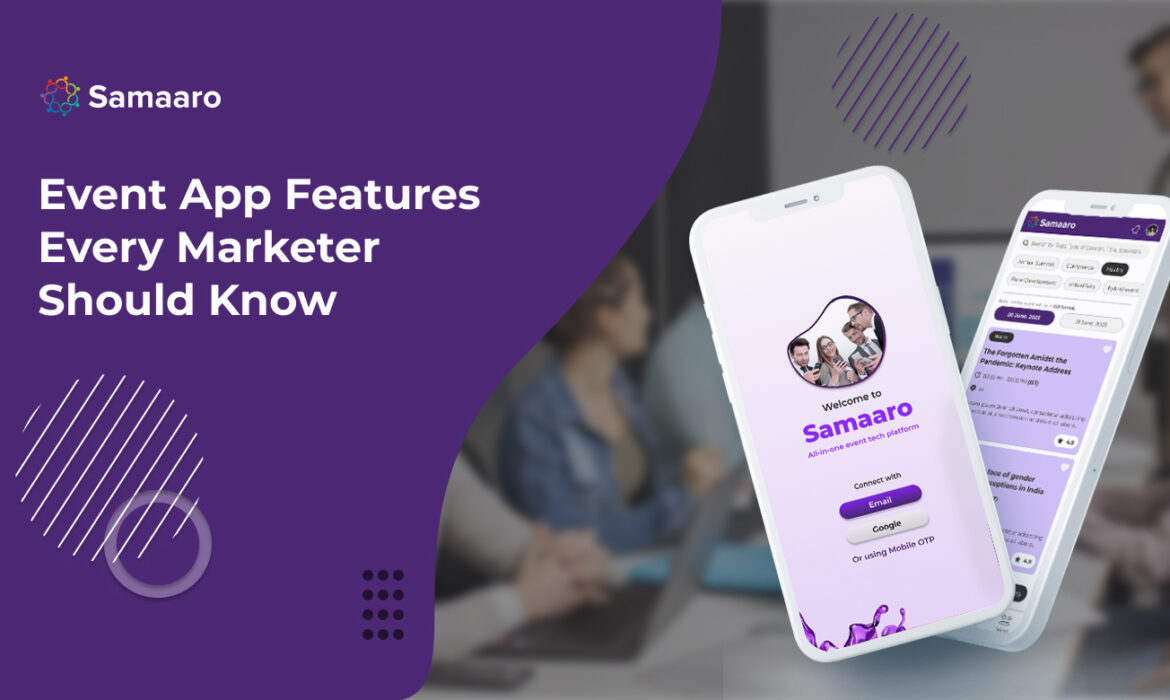
Event marketing runs on execution, and execution runs on whatever tool is actually managing the day. An event app that’s built well handles logistics quietly in the background. It gives attendees something they actually want to open. One that’s built poorly becomes the thing people complain about instead of the sessions themselves. That complaint tends to attach itself to the brand running the event, not just the app vendor.
Event apps have moved well past basic scheduling. A good one now:
That combination is what actually frees a marketer to focus on the event itself instead of chasing logistics.
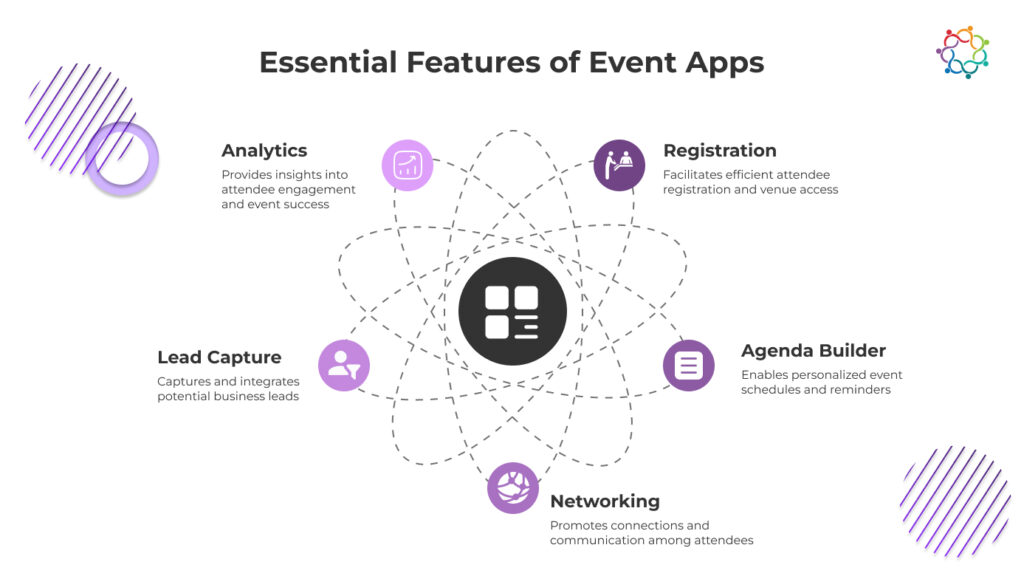
1. Registration
The registration flow sets the tone before the event even starts. Online registration should collect the essentials without friction. Mobile check-in cuts the line at the door, which matters most at large events where a manual process quickly turns into a bottleneck. Ticket scanning validates entry quickly and securely, so staff aren’t stuck eyeballing a printed pass.
2. Agenda Builder
Letting attendees build their own schedule beats handing everyone the same fixed agenda. That’s especially true at an event with parallel tracks, where no two attendees have the same priorities. Session reminders then keep people on track for the sessions they picked, including any last-minute changes. A room swap shouldn’t mean half the audience shows up at the wrong door.
3. Networking Features
A searchable attendee directory helps people find others with shared interests. Direct messaging turns that into an actual conversation instead of an exchanged business card. Group chats or forums give specific topics or industries a dedicated space to keep talking well after the initial introduction.
4. Lead Capture Tools
Lead capture forms and QR code scanning let exhibitors and sponsors collect attendee details on the spot. That beats a stack of cards that inevitably gets typed up late and imperfectly. CRM integration then moves that data straight into the sales pipeline for immediate follow-up, rather than a manual export days after the event.
5. Analytics
Real-time analytics show session attendance and booth traffic as the event unfolds. That gives organizers a chance to actually adjust something mid-event, rather than only learning what worked after it’s over. Post-event reports turn that data into trends worth acting on, ROI numbers, and a clear sense of what to improve next time.
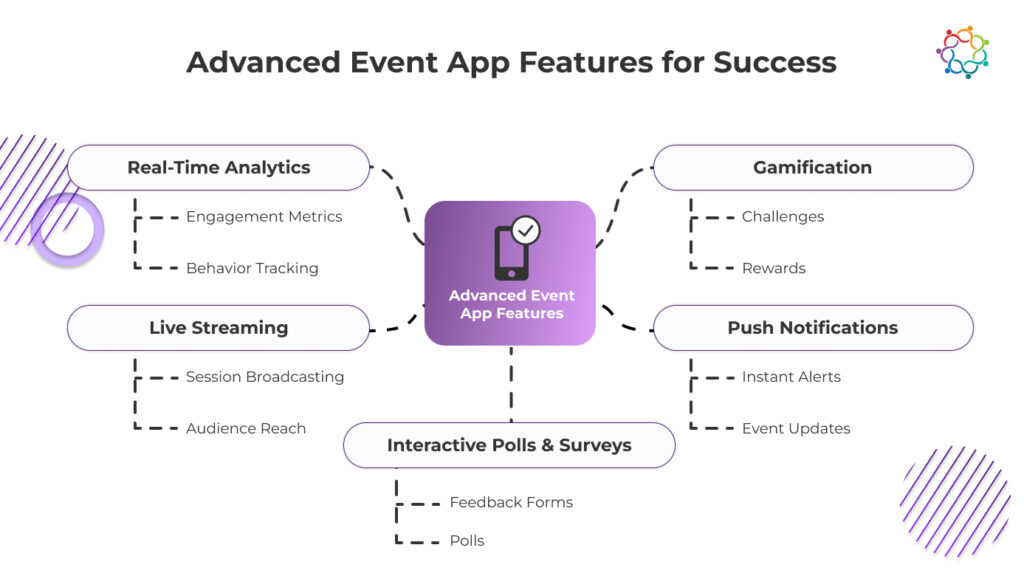
Gamification, challenges, leaderboards, small rewards, adds a bit of competitive energy that keeps people engaged beyond the sessions themselves. It’s especially useful for the parts of an event that would otherwise get ignored, a sponsor booth crawl, an early check-in.
Interactive polls and surveys capture real-time feedback. That data can reshape a session on the fly or inform the next event entirely, and a live poll result on screen does more to hold a room’s attention than most slides.
Push notifications keep attendees updated on schedule changes or sponsor activity without them having to check the app constantly. That matters most right before something changes, a room swap, a delayed start, when a missed update actually costs someone their spot.
Live Q&A lets attendees engage speakers directly. It makes a session feel like a conversation rather than a lecture, and it surfaces the questions people are actually thinking but might not raise a hand to ask.
With this many options on the market, a few criteria actually matter. Confirm the app covers your core needs, registration, agenda building, analytics, networking, rather than half of them and a promise to “add it later.” Prioritize an interface that’s genuinely intuitive for both attendees and the team running the event. A clunky app undercuts even the best feature set, and the team running check-in has no patience for a fussy admin panel on the morning of the event.
Check that it integrates cleanly with your CRM, marketing automation, and payment tools. Otherwise it sits isolated from everything else you run, and someone ends up manually re-entering data that should have synced automatically. Weigh cost against what you’d actually use, not just what looks impressive in a demo full of features you’ll never touch.
Look closely at established platforms too. Event management software like Samaaro bundles these capabilities together, instead of leaving you to stitch together several point solutions that each solve one piece of the problem.
An event app isn’t an optional add-on anymore. It’s core infrastructure for how a modern event actually runs. Personalized agendas, real engagement tools, and analytics that feed the next event are what separate an app attendees actually use from one that sits unopened on their phone. The difference usually comes down to one thing: did the app make the day easier, or add one more thing to manage.
Curious what this looks like for your next event? Book a demo with Samaaro and see it in action.