Samaaro + Your CRM: Zero Integration Fee for Annual Sign-Ups Until 30 June, 2025
- 00Days
- 00Hrs
- 00Min

In-person events are back in a real way, and the ones that work aren’t just gathering people in a room, they’re building something a screen can’t replicate. At the same time, the tools available to understand an audience have gotten genuinely good, precise enough to tell an organizer not just how many people showed up, but which sessions actually landed and why. The future of event marketing isn’t picking one of these over the other, it’s running both at once: real human connection, informed by data that’s actually acted on rather than just collected and filed away.
Every good event still comes down to people in a room, talking to each other.
Face-to-Face Interactions
Body language, tone, a conversation that goes somewhere nobody planned, none of that translates through a screen the same way. Whether it’s a first meeting with a prospect or catching up with an existing partner, being in the room still builds trust faster than any digital substitute, largely because the small unscripted moments, a shared laugh, an aside after the formal pitch ends, don’t happen over video the same way they happen in person.
Building Relationships and Fostering Community
People don’t just leave an event with new information, they leave with a sense of belonging to something, if the event actually created space for that. That feeling is what turns an attendee into someone who comes back next year and brings a colleague. Spaces and activities designed to actually encourage interaction, rather than just herding people from session to session, are what make that sense of community possible in the first place.
Creating Memorable Experiences
The details people remember are usually sensory, the smell of coffee near the registration desk, the energy of a packed keynote, not the bullet points on a slide. Events that engage more than just the eyes and ears tend to stick in memory longer than the agenda itself, and that memory is what an attendee actually associates with the brand months later, not the specific statistics presented on stage.
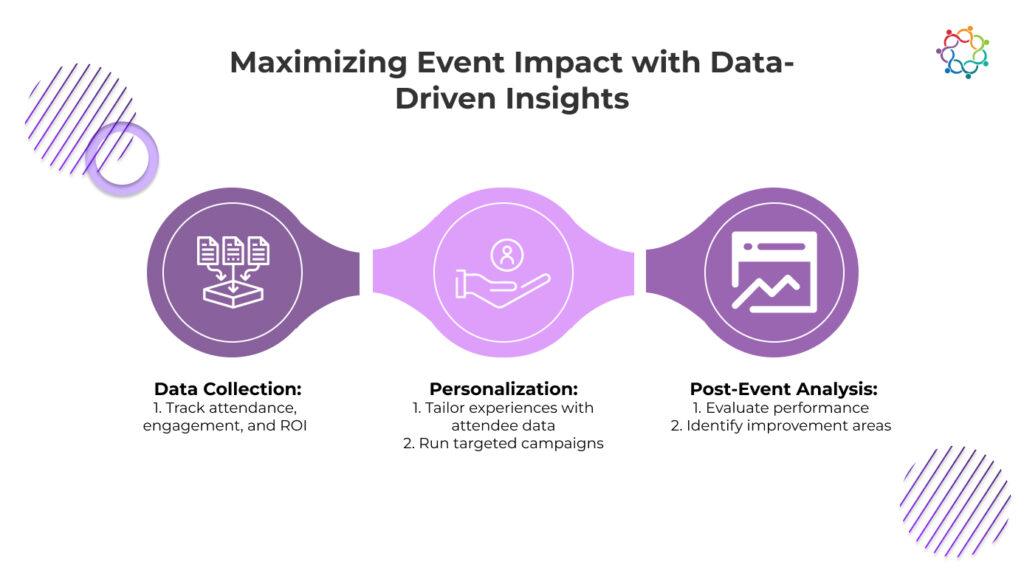
Connection is the heart of an event. Data is what tells you whether it’s actually working.
Data Collection and Analysis
Decide what actually matters before the event starts, attendance, engagement, lead conversion, ROI, rather than collecting everything and figuring out the question afterward. Mobile apps and check-in tools capture session participation and booth visits in real time, and patterns in that data, which keynote actually drew a crowd, which booth got skipped, tell you more about what worked than a post-event survey usually can. A survey captures how people felt about the event after the fact. Real-time data captures what they actually did while it was happening, and those two things don’t always line up.
Personalization and Customization
A generic agenda feels like it wasn’t built for anyone specifically. A custom agenda based on someone’s industry or role, or a session recommendation tied to what they’ve already shown interest in, signals the event was actually paying attention to who showed up. These touches don’t need to be elaborate, a recommended breakout session that actually fits someone’s job function does more for how valued they feel than a generic welcome message ever could.
Post-Event Analysis
The work isn’t done when the event ends. Engagement metrics and ROI numbers, checked honestly against what the registration process and sessions actually delivered, are what separate a real improvement plan from a vague sense that “it went fine.” Was the registration process actually smooth, or did people quietly struggle through it? Did the sessions people rated highest also draw the most attendance, or did something else account for the difference? Those specific questions are what make the next event better than this one.
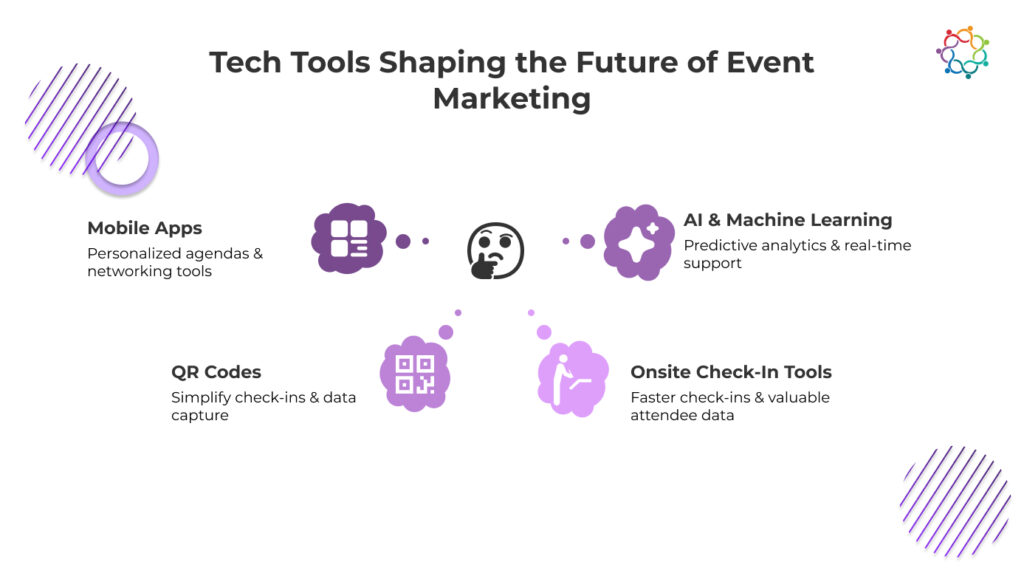
The right tools make both the connection and the data collection easier, not harder.
Mobile Apps
A personalized agenda, real-time notifications, and networking built into an app mean attendees spend less time figuring out logistics and more time actually engaged with content and people. For organizers, the same app is also the cleanest way to collect the engagement data that shapes the next event.
QR Codes
A scan replaces a registration line, and the same code can also capture a lead at a booth or unlock access to a specific session, turning what used to be three separate manual processes, check-in, lead capture, session access, into one scan that takes a couple of seconds.
Onsite Check-in Tools
A fast check-in sets the tone for the rest of the day, and it quietly captures the data that makes personalization possible later without adding an extra step for the attendee. A slow, manual check-in does the opposite, souring the first impression before anyone’s even found their seat.
AI and Machine Learning
Predictive tools can flag likely room capacity or content preferences before they become a problem on the day, and a chatbot fielding routine questions frees staff to handle the interactions that actually need a person, rather than answering the same “where’s the restroom” question for the fortieth time.
The future of event marketing isn’t a choice between human connection and data, it’s making sure the data serves the connection instead of replacing it. Build the relationships, read the numbers honestly, and use the technology that supports both rather than adding friction to either.
Curious what this looks like for your next event? Book a demo with Samaaro today.