Samaaro + Your CRM: Zero Integration Fee for Annual Sign-Ups Until 30 June, 2025
- 00Days
- 00Hrs
- 00Min

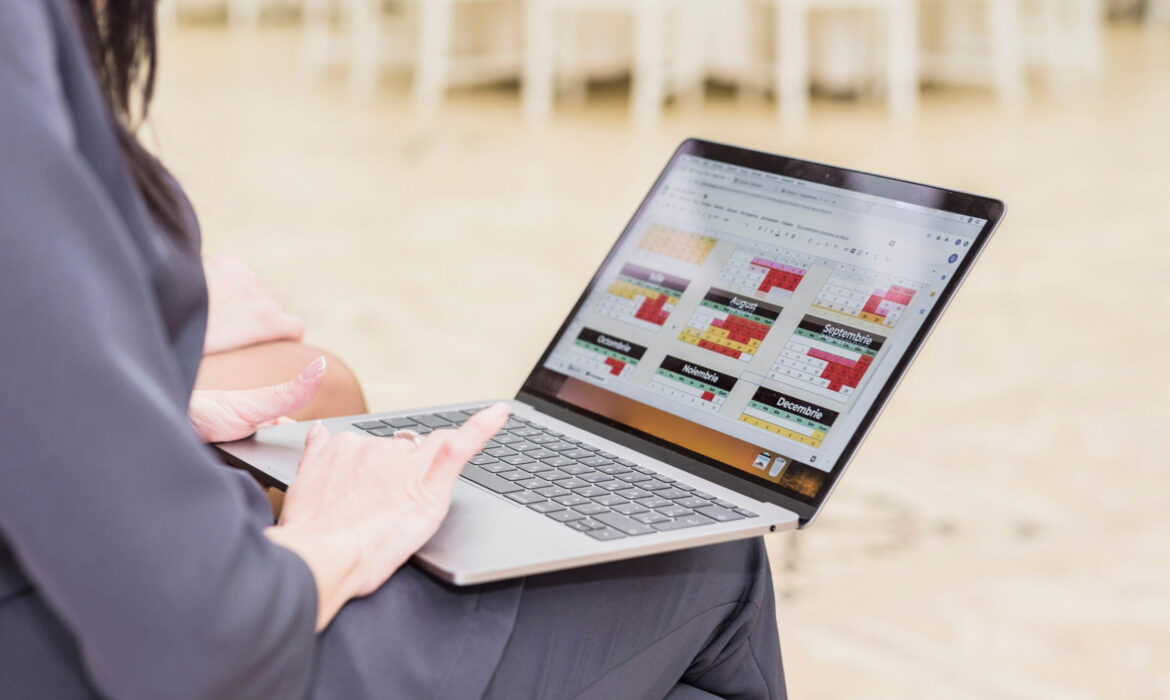
First impressions at an event happen at the check-in desk, before a single speaker takes the stage. A slow, clunky check-in colors how someone feels about the next eight hours, while a smooth one sets a genuinely different tone. That’s the gap event management software is built to close, turning check-in from a queue people tolerate into the actual first touchpoint of the event experience. It’s a small window, five minutes at most, but it’s the one moment every single attendee passes through, which makes it worth more design attention than most organizers give it.
Paper forms, manual data entry, and long lines carry real costs that show up later in the event, not just at the door.
Disengagement
A long wait before anyone’s even inside the venue takes the edge off whatever enthusiasm someone showed up with, and that flat start tends to color how they engage with the rest of the day. Twenty minutes in a line is twenty minutes of an eight-hour event spent frustrated before the actual content has even started.
Data Silos
Information collected on paper rarely makes it anywhere useful. Demographics and preferences that could shape personalization or future marketing just sit on a clipboard until someone gets around to typing it in, if they ever do. By the time that data is digitized, if it ever is, the event it was meant to inform is already over.
Limited Interaction and Missed Connections
A check-in table isn’t a conversation. It’s a bottleneck, and it wastes the one moment where a personal touch could set the tone for everything that follows. Staff focused on processing a line as fast as possible have no bandwidth left to actually greet anyone.
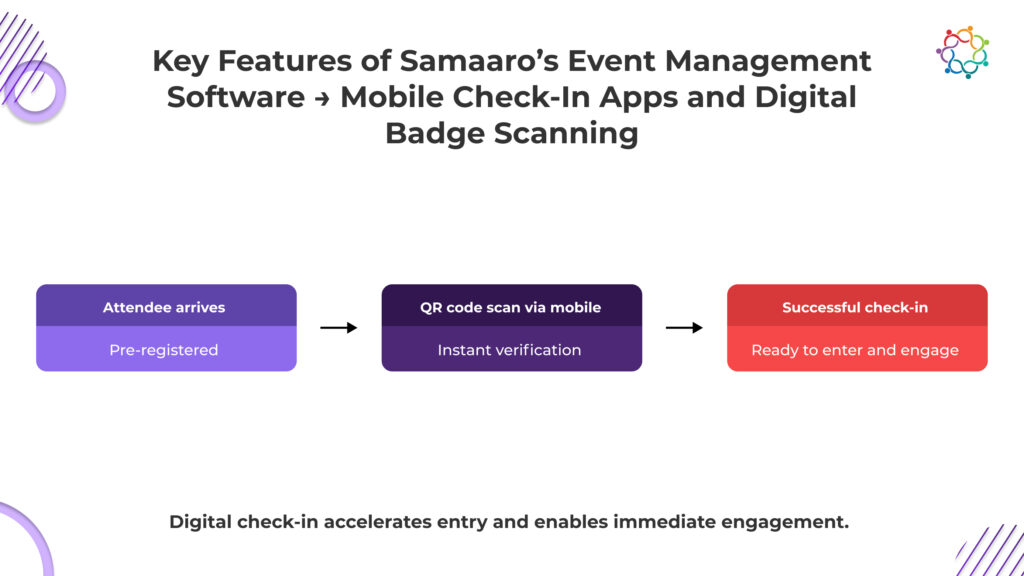
A few specific features turn check-in from a chore into something closer to an actual welcome, and each one addresses one of the three problems above directly rather than papering over them with a nicer front desk.
Mobile Check-In Apps
Pre-registration through an event app means attendees skip the line entirely, checking in from their phone the moment they arrive instead of queuing behind everyone else who showed up in the same fifteen-minute window. There’s no paper form to lose and no printer that jams right as the doors open.
Digital Badge Scanning
A QR-coded digital badge scanned at the door replaces the physical badge that’s easy to lose or forget entirely. It also carries the attendee’s name and contact details, which makes networking and lead capture something that happens naturally rather than through an awkward business card exchange. A scanned badge can also flag instantly if someone’s trying to use a duplicate, closing a security gap that paper badges never had an answer for.
Beyond the mechanics, a few small touches turn check-in into something attendees actually notice.
Personalized Welcome Messages
An automated welcome email that uses someone’s actual name, sent the moment they check in, does more for how valued they feel than most people would expect from something this simple. It costs nothing extra to set up once, and it runs the same way for the thousandth attendee as the first.
Networking Opportunities
Matchmaking based on registered interests or job role, plus a notification when someone from an attendee’s network checks in, gets conversations started before the first session even begins, rather than leaving networking to chance in the hallway. Someone who learns a former colleague just walked in is far more likely to seek them out than someone left to wander the venue hoping to bump into a familiar face.
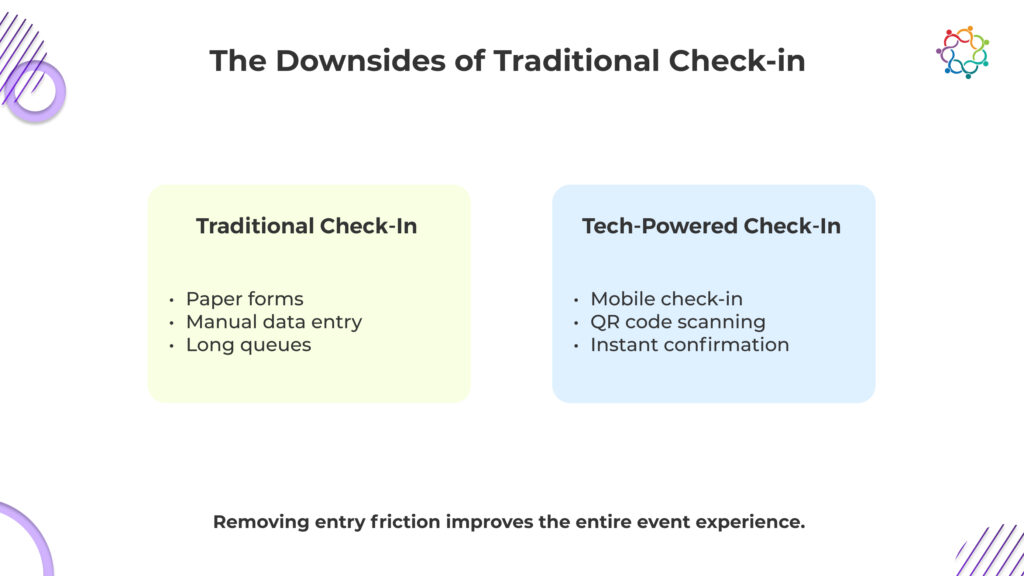
Getting check-in right pays off well past the first ten minutes of the event.
Improved Attendee Engagement
A smooth start sets a tone of anticipation rather than irritation, and people who feel welcomed from the first minute tend to stay more engaged through the sessions that follow. That early impression is disproportionately influential, it’s the lens someone views the rest of the day through, fair or not.
Measurable Success
Check-in data, session preferences, networking activity, gives organizers something concrete to evaluate afterward, rather than relying on a gut sense of how the day went. Comparing check-in-to-session-attendance patterns across events also shows whether a format change actually helped or just felt like it did.
Enhanced Brand Image
A check-in process that runs smoothly reflects on the organization running it. Sponsors and attendees both read operational polish as a signal about how seriously an event, and the company behind it, is run, and that impression forms in the first five minutes, well before anyone’s seen a single session.
Check-in is the first real interaction an attendee has with an event, and treating it as an afterthought wastes a genuine opportunity to set the tone for everything that follows. This matters just as much for a technology industry event as any other, arguably more, since attendees at a tech conference tend to expect the tech itself to work flawlessly from the first tap, and a clunky check-in undercuts that expectation before the event has even started. For more on what a complete platform should include beyond check-in, see the full feature rundown.
Ready to see what a tech-powered check-in looks like for your next event? Book a demo with Samaaro today.

Samaaro is an AI-powered event marketing platform that enables marketing teams to turn events into a measurable growth channel by planning, promoting, executing, and measuring their business impact.
Location
© 2026 — Samaaro. All Rights Reserved.