Samaaro + Your CRM: Zero Integration Fee for Annual Sign-Ups Until 30 June, 2025
- 00Days
- 00Hrs
- 00Min

Sales and event teams have historically worked in separate lanes, crossing paths mainly around sponsorships or a shared lead list. That separation leaves real value on the table. When both teams actually align, on goals, on communication, on execution, events stop being a marketing checkbox and start generating measurable revenue. A sales rep who has no idea what’s on the event agenda, or an event planner who’s never asked sales what prospects actually want to hear, are both symptoms of the same underlying problem.
This piece walks through what that alignment looks like in practice: breaking down the silo, building sales into the planning process from day one, equipping reps to actually perform at the event, and using sponsorships and post-event data to keep the whole system improving.
Shared Goals
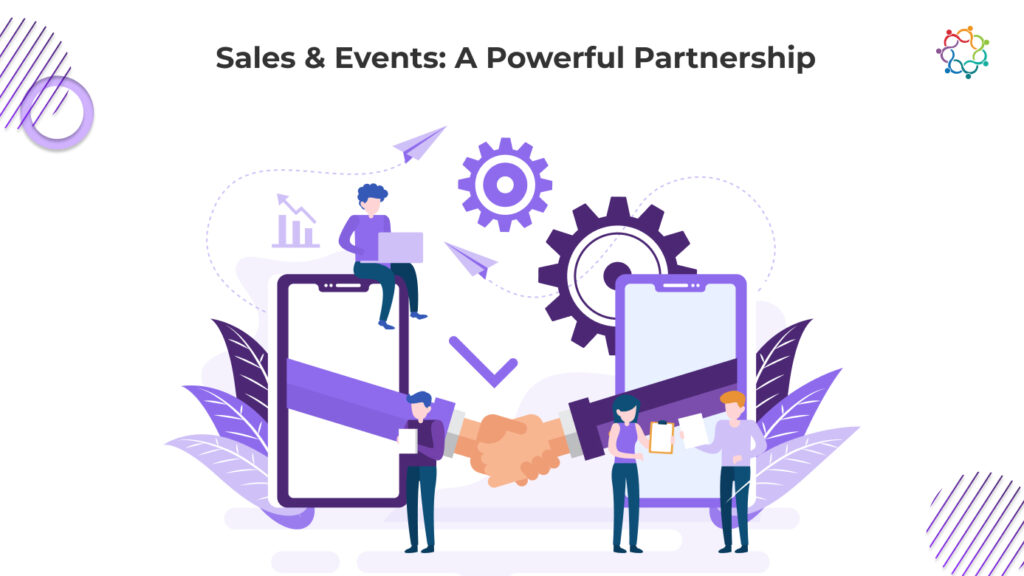
Sales and event teams need to agree on the same targets before anything else works. Lead generation, revenue growth, and customer engagement should sit on both teams’ scorecards, not just one. Once that alignment exists, events stop being a standalone marketing activity and start functioning as an actual growth driver, one both teams have a real stake in.
Improved Communication
Miscommunication is where most collaboration breaks down. Sales teams know what customers actually struggle with, and that insight should reach event planners early enough to shape the content. Coordinated outreach, avoiding duplicate messages, matters just as much. Shared tools, a CRM, event management software, a common calendar, keep both sides working from the same picture instead of two different ones that quietly drift apart as the event date approaches.
Cross-Functional Teams
Mixing sales and event staff into one working group does more than split up tasks. Sales reps bring customer insight the event team doesn’t have, and event staff bring execution skill the sales team usually lacks. Decisions get made faster, and the two groups start treating each other as partners rather than separate departments competing for the same budget line.
Enhanced Customer Experience
Coordination shows up directly in how an attendee experiences the event. Sales helps invite the right people, event teams build the experience around what those people actually want, and reps engage attendees with something relevant instead of a generic pitch. Follow-up afterward continues the same conversation rather than starting from zero, referencing what actually happened at the event rather than a templated “great meeting you.”
Increased ROI
Working together also means measuring together. Common KPIs, lead conversion, engagement, deal closures, keep both teams accountable to the same outcomes. Real behavioral data from the event, not a gut feeling, is what should guide next year’s budget allocation, and it’s a lot harder to argue with a number than with an impression.
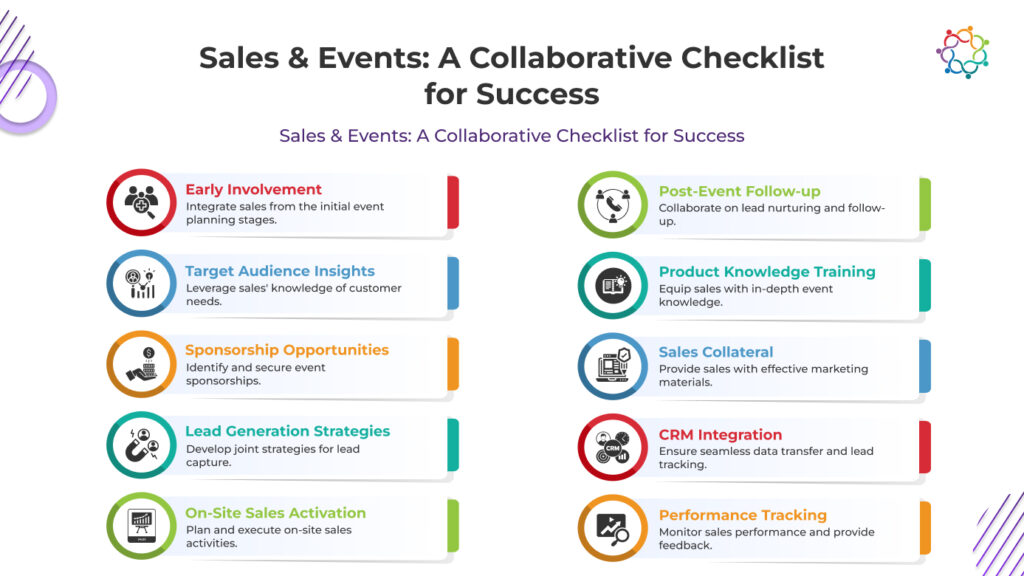
Early Involvement
Bringing sales into planning from day one means the event gets built around real customer pain points and actual business goals, not assumptions made in a planning meeting without a single salesperson in the room to push back on them.
Target Audience Insights
Sales data on who prospects actually are lets organizers segment the audience, curate sessions that match real interest, and set up networking that connects the right people rather than leaving it to chance in a crowded hallway.
Sponsorship Opportunities
Sales relationships open doors here too. Reps often already know which brands want visibility at this kind of event, and their understanding of a sponsor’s goals helps shape a package that’s actually worth the sponsor’s money, not just a logo slapped on a banner.
Lead Generation Strategies
Sales, marketing, and event teams need to agree on what actually makes a lead sales-ready before the event starts. Event apps and digital lead capture tools do the collecting; a real nurture plan is what turns that data into something usable afterward, rather than a spreadsheet nobody opens again.
On-Site Sales Activation
Live product demos, private VIP meetings, and time-limited event offers all give reps a direct shot at converting interest into a deal while the attendee is still in the room and still engaged, before the momentum from the conversation has a chance to fade.
Post-Event Follow-Up
Attendance is not the finish line. Tracking who engaged with what, then reaching out with something specific to that interaction, is what actually turns a lead into a customer instead of a name that goes cold within a week of the event ending.
None of this works if the sales team walks in unprepared. Solid event-based sales enablement covers a few specific areas, and skipping any one of them tends to show up as a rep fumbling for an answer in front of a prospect.
Product Knowledge Training
Reps need to know the agenda, the product updates, and who’s actually in the room before the event starts, not figure it out mid-conversation with a prospect who’s clearly better prepared than they are.
Sales Collateral
Brochures, live demos, and real case studies give a rep something concrete to hand over or reference, rather than relying purely on memory and improvisation under pressure.
CRM Integration
Automated lead capture, scoring based on actual engagement, and follow-up sequences that fire without manual triggering all remove the delay between a conversation happening and a rep actually acting on it, a delay that usually costs the deal.
On-Site Support
Dedicated meeting spaces for real conversations, product specialists on hand for technical questions, and an event app carrying digital resources all let a rep make the most of every interaction instead of scrambling for information mid-conversation.
Performance Tracking
Lead engagement, conversion rates, and pipeline growth tied specifically to the event are what tell you whether the whole effort actually worked, not just whether the room felt busy on the day.
Looking for Possible Sponsors
Sales partnerships let you identify what companies truly align with your event audience, not just selling a generic package to anyone ready to pay to sit at a table.
Creating Sponsorship Packages
By having flexible tiers from a basic logo placement to a completely branded lounge, sponsors may choose based on their own budget and goals rather than putting everyone into the same contract regardless of what they truly want out of it.
Negotiating Sponsorship Agreements
The difference between a sponsorship renewal and a one-off transaction that neither party wants to repeat is having clear deliverables, audience fit and success metrics outlined from the outset.
Sponsor Relationship Management
A sponsor connection lasts long beyond a single event cycle: VIP treatment, frequent updates, and honest post-event reporting turn a one-off agreement into an ongoing collaboration.
Measuring Sponsorship ROI
Brand visibility, engagement numbers, and actual leads generated give a sponsor something concrete to justify the spend to their own leadership, which is usually what decides whether they come back for the next event.
Tracking Sales-Related Metrics
Leads generated, deals closed, and revenue directly attributable to the event are the numbers that actually matter here, more than attendance alone ever could tell you about whether it worked.
Analyzing Event ROI
Cost per lead, engagement levels, and customer lifetime value together tell you whether an event was a good investment, not just whether it broke even on ticket sales. The same ROI logic applies across event types, even a specialized one, as covered in our piece on structuring event ROI: define the metrics before the event, not after.
Gathering Feedback
Sales team input, attendee surveys, and sponsor feedback each surface something the others miss. Combined, they give a genuinely complete read on what worked, rather than one perspective standing in for the whole picture.
Using Data to Optimize Strategies
Post-event data should change something concrete: better lead nurturing, a reworked agenda, a different sponsorship structure, rather than sitting in a report nobody revisits before the next event gets planned the same way it always has been.
Sales and events work best as partners, not parallel tracks. Breaking down the silo, involving sales from the planning stage, equipping reps properly, and treating sponsorships and data as ongoing relationships rather than one-off transactions is what turns an event into a genuine revenue channel.
Curious what this looks like for your next event? Book a demo with Samaaro today.
1. How can sales and event teams actually align on shared goals instead of just saying they will?
Set common KPIs before planning starts, lead conversion, engagement, revenue tied to the event, and check both teams against the same numbers afterward, not separate scorecards.
2. What’s the fastest way to break down the silo between sales and event planning?
Build a cross-functional team with representatives from both sides involved in every major decision, not just consulted after the plan is already set.
3. How early should sales get involved in event planning?
As early as the initial goal-setting conversation. Sales input on customer pain points and target accounts should shape the event’s theme and format, not just its guest list.
4. What makes a lead “sales-ready” after an event?
That depends on the account, but engagement depth, session attendance, and direct conversation with a rep are stronger signals than a badge scan alone.
5. How do you measure whether event sponsorships were actually worth it?
Track brand visibility, engagement with sponsor content, and leads that came directly from sponsor interactions, then compare that against what the sponsorship actually cost.