Samaaro + Your CRM: Zero Integration Fee for Annual Sign-Ups Until 30 June, 2025
- 00Days
- 00Hrs
- 00Min


The 2026 event landscape is characterized by convenience, personalization, and interaction. Attendees now refuse to have a fragmented experience across multiple tools or touchpoints. Rather, they expect to visit a single, cohesive platform that includes registration, engagement, and responses.
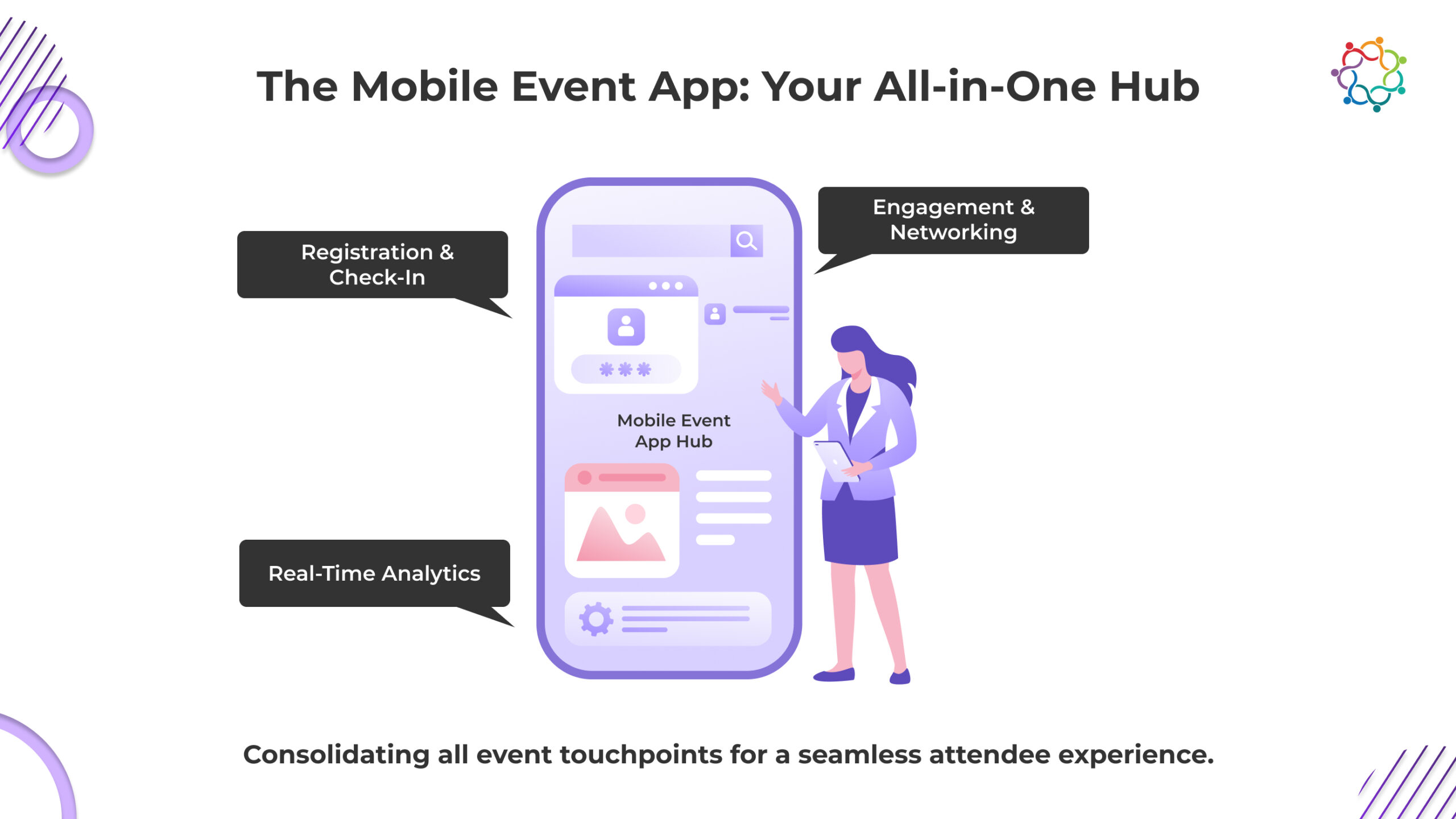
This evolution has provided mobile event apps the opportunity to sit at the centre of event management. From the moment a visitor registers to post-event feedback and reporting, event apps lead the full experience, enabling the event organizer to control all touchpoints, while providing attendees with an intuitive, enriching experience.
In short, event apps are not a nice-to-have on the event tech stack; they are the operating system for live experiences.
One of the most significant changes made possible through mobile event apps is registration and check-in. Gone are the days of long lines, paper badges, and someone physically checking you in or stamping your registration.
In 2026, apps will scan QR codes, use NFC tags, and likely biometrics to eliminate all friction from the entry process. Users will receive a mobile pass that is unique to their profile, allowing them to be automatically checked in for their sessions and easily record their attendance.
For an event such as a large real estate expo or industry conference in pharmaceuticals with the potential for hundreds of people attending, the system will be seamless, moving people through the entry process and allocating them through the various sessions, with the added benefit of additional security.
For event organizers, this reliability means fewer manual errors, smoother entry operations, and improved overall efficiency. It allows staff to shift their focus from managing processes to engaging in higher-value interactions with attendees, enhancing both operational flow and the overall event experience.

After going through the check-in and registration process and showing proof of vaccination (if required), the second phase of delivering a successful event begins. Once the attendee has their event app downloaded, the next frontier of engagement begins, and event apps bridge the audience to the content.
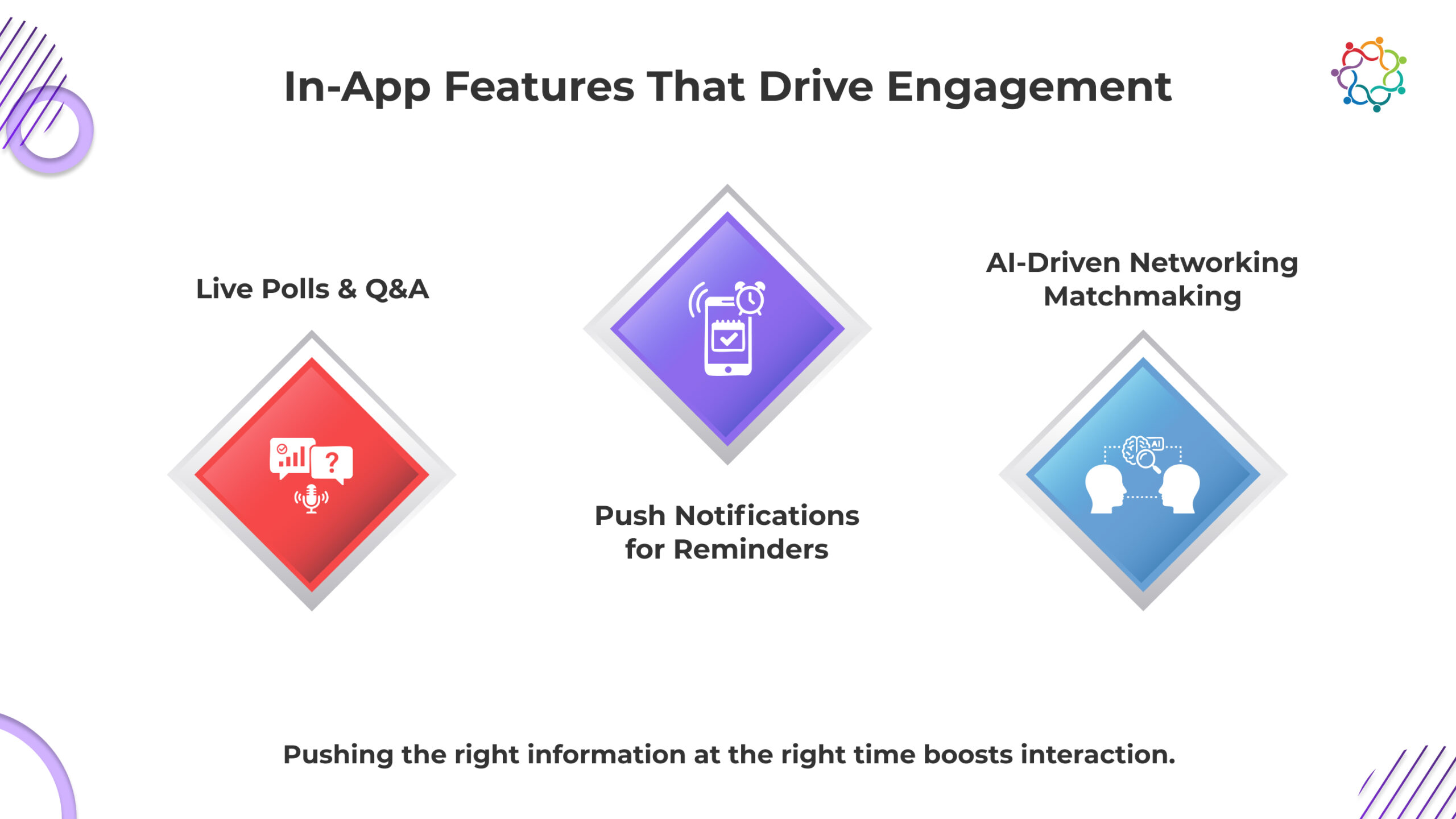
In 2026, mobile event apps are fully interactive ecosystems. They feature live polls, Q&As, networking lounges, and gamified engagement tools to keep participants active and engaged all day. Organizers use push notifications to navigate attendee flow to certain nearby sessions, announce a last-minute sponsor, or keep traffic to sponsor booths.
Networking is also being reimagined. App-based AI is now suggesting relevant connections, based on attendee profiles, previous participation at a session, and shared interests, allowing professionals in BFSI, real estate, and healthcare industries a base to connect in a more substantial way.
Every tap, chat, and poll submission becomes quantifiable, giving proof and live pulse to external engagement health that organizers can reference during the event.
Mobile apps for event planners aren’t just a way to engage clients; they are a treasure trove of data.
Every registration, session check-in, and completions of polls are recorded into a real time analytics dashboard that informs planners who is engaging during the event. They can see which sessions are most popular based on attendance, the busiest times of day for footfall, and which engagement activities have the highest number of participants.
For example, a developer hosting a launch for a luxury property, will see which projects gain the most interest, allowing them to deploy their sales agents accordingly. A pharma organizer can see real time attendance for CME sessions, as well as compliance credits.
By combining the attendee experience data with CRM systems, planners can better leverage this data for post-event follow-up activities and long-term engagement.

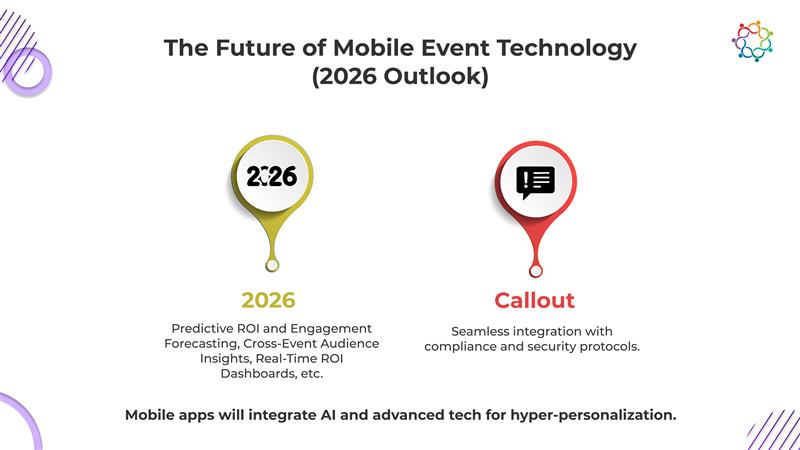
The next wave of mobile event apps is designed for performance, not flash. By 2026, organizers are demanding platforms that directly impact ROI, streamline every touchpoint, and provide predictive intelligence before, during, and after the event.
Here’s what that evolution looks like:
To see how this transformation is already unfolding, explore Samaaro’s analysis of how event technology is driving the next phase of digital transformation in events.
At Samaaro, mobile-first innovation is at the heart of how modern events are built. The Samaaro Mobile Event App serves as a comprehensive event hub, designed to bring together registration, engagement, and analytics under one roof.
Key capabilities include:
Whether it’s a high-stakes BFSI summit, a medical CME conference, or a real estate property expo, Samaaro ensures that event experiences remain fluid, compliant, and data-driven.
As we enter 2026, if an event organizer seeks to deliver measurable, scalable and memorable experiences, mobile event apps are no longer optional. They not only simplify logistics but also reimagine how events work. With effortless registration, intelligent engagement, and real-time analytics, they turn events into continuous journeys of interaction and insight.
It’s time for event teams to ask themselves: Is your event app moving your strategy forward, or is it simply digitizing what already exists?
For organizers looking to bring all these innovations together into a single, intuitive platform, solutions like Samaaro’s Event App Suite are setting new benchmarks in 2026. Explore Samaaro today!
A modern event app should include: a personalised agenda with reminders, live polls and Q&A, AI-powered networking and meeting scheduling, exhibitor and sponsor pages, push notifications, QR-based check-in, real-time announcements, feedback capture, gamification, and offline mode. The best apps also integrate with the event platform so engagement data flows straight into the CRM, not a separate analytics tool.
A MICE tourism strategy is a destination-level plan to attract Meetings, Incentives, Conferences, and Exhibitions to your city, region, or country. It typically combines venue and infrastructure development, marketing to corporate planners and association buyers, government incentives, partnerships with hotels and event tech providers, and a long-term plan to position the destination as a top choice for business events.
Mobile event apps improve attendee engagement by replacing static paper agendas with real-time, personalised experiences. Attendees see only the sessions relevant to them, get nudges when networking matches show up, vote in live polls, ask questions on stage, and chat directly with speakers and other attendees. The app turns passive observers into active participants, which is the single biggest driver of post-event satisfaction.
Yes, modern event apps support registration and real-time insights when they’re built into the event platform itself. Attendees can register or modify their pass through the app. Organisers see live dashboards of session attendance, poll responses, booth visits, and engagement scores as the event runs. This real-time visibility means you can fix problems on the day rather than discovering them in the post-event report.
Mobile event apps help organisers manage events better by surfacing real-time data on what’s working and what isn’t, sending instant updates to attendees when schedules shift, capturing leads at booths through built-in scanners, automating session check-ins, and reducing the support load by giving attendees self-service answers. Most enterprise teams cut on-site operations headcount by 30 to 40 percent after adopting a full event app.
Personalisation is central to event apps because attendees expect their experience to feel built for them. The app should show a custom agenda based on their interests, recommend networking matches by job role and goals, send push notifications relevant to their track, and surface sponsor and exhibitor content matched to their profile. Generic apps that show everyone the same content waste the chance to differentiate.
Event app data improves event performance by showing exactly which sessions held attention, which speakers earned the highest ratings, which networking formats produced the most connections, and which content drove post-event downloads. Feed this data back into next year’s planning and you stop running events based on guesses and start running them based on what your audience proves they want.

Samaaro is an AI-powered event marketing platform that enables marketing teams to turn events into a measurable growth channel by planning, promoting, executing, and measuring their business impact.
Location


© 2026 — Samaaro. All Rights Reserved.