Samaaro + Your CRM: Zero Integration Fee for Annual Sign-Ups Until 30 June, 2025
- 00Days
- 00Hrs
- 00Min

Event planning is a multi-faceted process that requires precision, attention to detail, and strategic foresight. From venue selection to budgeting, every decision plays a pivotal role in creating a seamless event experience. However, even with careful planning, common mistakes can lead to issues that disrupt the flow and negatively impact the attendee experience. These errors can stem from underestimating costs, overlooking crucial details, or failing to communicate effectively. When these mistakes occur, they can undermine the event’s purpose, lead to attendee dissatisfaction, and ultimately harm the event’s success and reputation.
Understanding these potential pitfalls is essential for any event planner, whether organizing a corporate gathering, conference, or social event. By recognizing common missteps and applying lessons learned, planners can optimize their approach, ensuring a smoother, more enjoyable event for all involved. This blog will explore frequent mistakes made in event planning, the consequences they bring, and practical steps to prevent them.
Common Event Planning Mistakes

Understanding these common event planning mistakes and implementing strategies to avoid them helps build resilience and create a foundation for successful, memorable events. By paying attention to details, staying organized, and planning for contingencies, event planners can significantly improve their event outcomes and elevate the attendee experience.
Lessons Learned from Common Mistakes
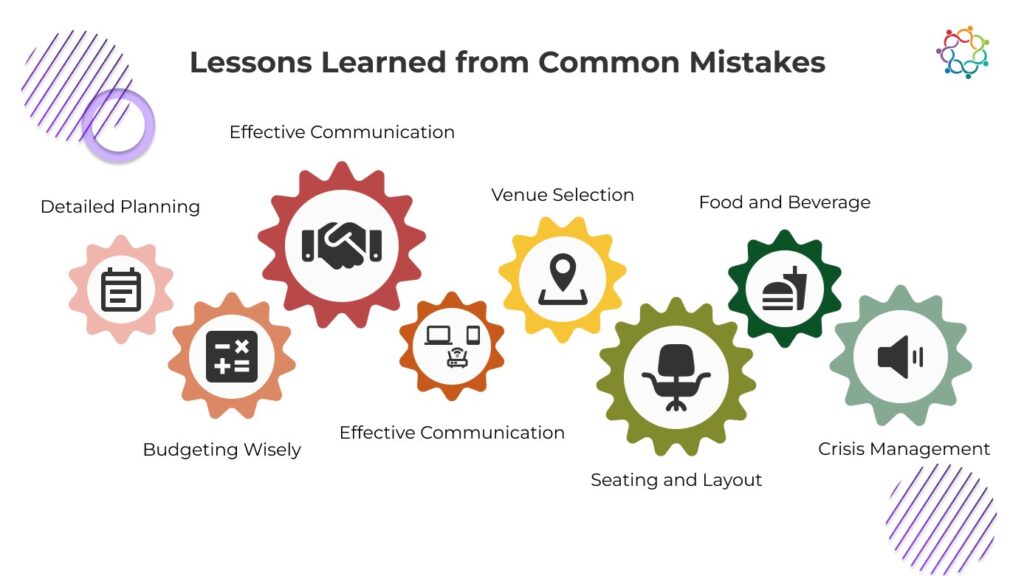
1. Importance of Detailed Planning
A well-structured event plan serves as the backbone of a successful event. Detailed planning involves outlining every aspect of the event, including timelines, task assignments, and responsibilities. By creating a comprehensive checklist, planners can ensure that each element is accounted for, minimizing the risk of oversight. Regular check-ins with the team can also keep everyone updated and accountable, facilitating smoother execution.
2. Budgeting Smart
Budgeting wisely is of utmost importance for an event’s success. Budgeting efficiency begins with a comprehensive look at every conceivable cost…venue rental, food and beverage, marketing, and personnel. Budgeting sources as realistically as possible, even including an amount for contingencies or unexpected expenses if it is something within your budget, enables planners to take on unanticipated costs without placing their budget under strain. This will also allow for greater flexibility at the end of the planning process just prior to the event.
3. Communicate Effectively
Creating a clear communication plan allows planners to keep all parties informed and engaged. Using some communication channels, like emails, progressive project management tracking tools and group messaging can help, if already agreed to by staff, all ensure that your messages are received. Regular updates assist with clarifying assignments of responsibility. Accessibility to open channels decreases the likelihood of misunderstandings. True collaboration is achievable only from open lines of communication and practice of resolving issues, should they arise.
4. Be Technical
Technical matters must be prepared for in today’s digital world. Event planners should anticipate testing to ensure everything is working prior to the event, including audio-visual equipment and Wi-Fi. Having good technical support standing prepared if/when things do not go as planned can help save the day and get the process back on track and keep it running smoothly. Also, have equipment set aside as back-ups to keep the process moving along while maintaining a level of professionalism and acceptable quality.
5. Venue Considerations
The venue can be a significant part of any event’s success. It is critical to carefully check the venue capacity, venue location, accessibility, etc. There may not be a better way of determining venues layout and logistics, instead of visiting the venue in person. This is anticipated in purpose of knowing how/if the venue layout fits your goals for the event. Additionally, the venue parking, transportation, and restroom facilities will greatly improve the attendee experience and help avoid logistical headaches during the event.
6. Seating Plan and Thinking Through Layout
A useful seating plan and layout of the event is very important to your attendees’ interaction with each other as well as degree of satisfaction with the event. During the seating and layout plan, please make sure you maximize the layout, while still allowing for potential networking interaction in some of the floor plans. Additionally, address sightline, access to your speakers or screen, and other comfortable factors to facilitate attendee interaction and contribute experience.
7. Food & Beverage
Real and reasonable concerns regarding the types of food or beverage consumed are another way of reflecting inclusivity and thoughtfulness for attendee that may not last than a few hours. Surveying attendees, or requesting dietary details during registration saves catering time, effort or stress, and providers adequate alternatives on behalf of yourself or planners. Food & beverage requirements allow variety and keep your attendances happy and thus increase the overall event experience as attendees are more likely to stay longer the event of longer experience all attendees.
8. Managing Crisis
An event’s crisis management plan is an important plan in which event planners never want to deal with. Even though we can think of one or many ways that a crisis can be brought up, even at the last minute, it will be a plan that you can use when planning for an event or lesson plan disruption occurs. This plan includes procedural plans for either management or affecting connections, even contingency for the public unexpected cancellations of speakers or speakers. Knowing how fast the sudden opportunity may develop seem overwhelming, having alternative arrangements can put event planners on a better level to think faster and more confident decisions for your own decision to keep moving forward.
Conclusion
Avoiding common event planning mistakes is key to delivering seamless and impactful events. By learning from these errors and applying best practices, planners can continually improve their processes, enhancing each event’s quality and attendee experience. Implementing these lessons will lead to more successful, memorable events and help build a reputation for excellence in event planning.

Event planning is one of the most dynamic and rewarding professions—but it’s also one of the most demanding. With tight deadlines, long hours, and constant multitasking, achieving a healthy work-life balance can feel like an uphill battle. Yet, maintaining this balance is crucial for mental health, physical well-being, and long-term career success.
This blog explores the challenges faced by event planners and offers practical strategies to help navigate the fast-paced world of event management while keeping personal and professional priorities in check.
Common Challenges Faced by Event Planners
The nature of event planning brings unique obstacles that can disrupt work-life balance:
Strategies for Achieving Work-Life Balance
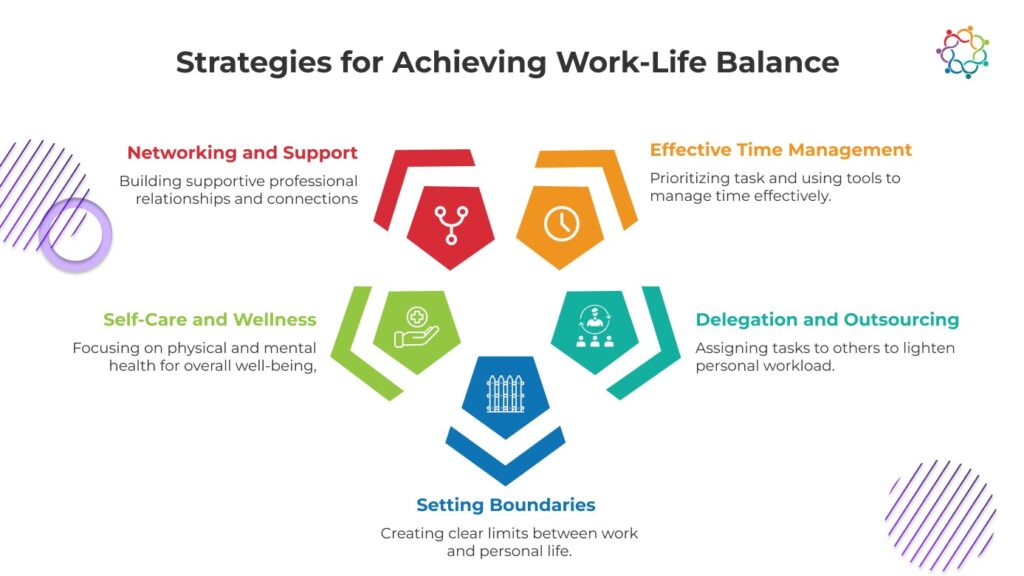
Despite the challenges, event planners can adopt specific strategies to regain control over their time and well-being:
1. Effective Time Management
2. Delegation and Outsourcing
3. Setting Boundaries
4. Self-Care and Wellness
5. Networking and Support
Tips for Maintaining Work-Life Balance
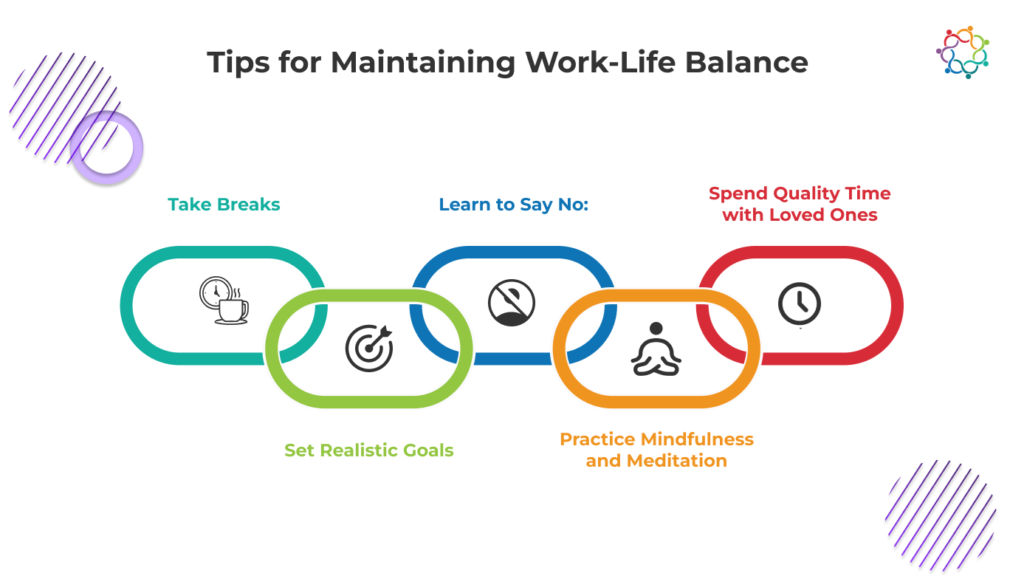
Incorporating small, consistent habits can make a significant difference:
Conclusion
Work-life balance is not a luxury—it’s a necessity, especially in the high-pressure field of event planning. By implementing strategies like effective time management, setting boundaries, and prioritizing self-care, event planners can achieve a healthier balance between their professional and personal lives.
Ultimately, a well-balanced life leads to reduced stress, increased productivity, and greater job satisfaction. Start small, make consistent changes, and watch how your career and well-being thrive together.
Want to simplify your event planning process and save time for what matters most? Samaaro offers a comprehensive event management and marketing platform that streamlines planning, execution, and attendee engagement.
Try a free trial or book a demo with Samaaro today and take the first step toward a more balanced professional life!
In the dynamic landscape of event management, upselling and cross-selling have emerged as powerful strategies for maximizing revenue. Upselling encourages attendees to purchase a more premium version of a product or service, while cross-selling promotes complementary offerings that enhance the overall event experience. Implementing these strategies not only boosts financial returns but also enriches attendee engagement, making them feel valued and understood. In this blog, we’ll explore effective strategies for leveraging upselling and cross-selling in your events, ensuring that you not only meet but exceed revenue expectations.
Understanding Upselling and Cross-Selling
Upselling involves encouraging attendees to opt for a higher-tier product or service, often enhancing their experience with additional features or benefits. For instance, offering VIP access or premium seating can significantly increase the perceived value of the event.
Cross-selling, on the other hand, focuses on promoting related or complementary products and services. This might include suggesting merchandise, additional sessions, or post-event workshops that align with attendees’ interests, thereby enhancing their overall experience.
Effective Upselling and Cross-Selling Strategies
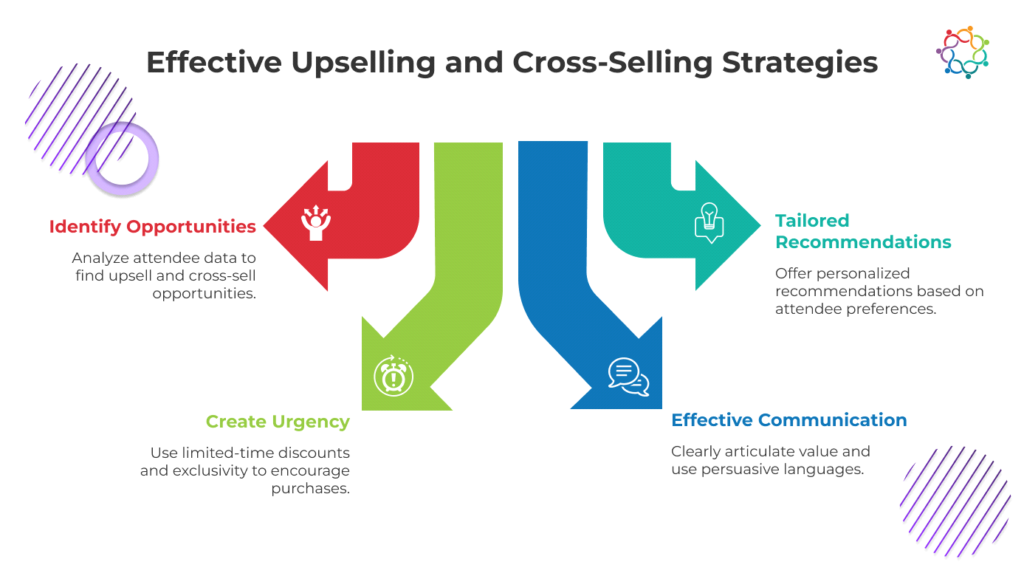
Implementing effective upselling and cross-selling strategies requires a thoughtful approach that engages attendees and enhances their overall experience. Here are key strategies to maximize these opportunities:
Identify Opportunities
To successfully upsell and cross-sell, it’s essential to analyze attendee data to pinpoint potential opportunities. This involves:
Tailored Recommendations
Personalization is critical in both upselling and cross-selling. Here’s how to effectively create tailored recommendations:
Create a Sense of Urgency
Creating urgency can encourage attendees to make quicker purchasing decisions. Here are effective tactics:
Effective Communication
Clear communication about the value of upsells and cross-sells is crucial for convincing attendees. Here are strategies to improve communication:
Training Sales Teams
Your sales teams play a crucial role in executing upselling and cross-selling strategies. Here’s how to equip them for success:
By focusing on these strategies, event planners can not only boost revenue but also foster stronger connections with attendees, ultimately leading to a more satisfying and engaging event experience.
Best Practices for Event-Led Upselling and Cross-Selling
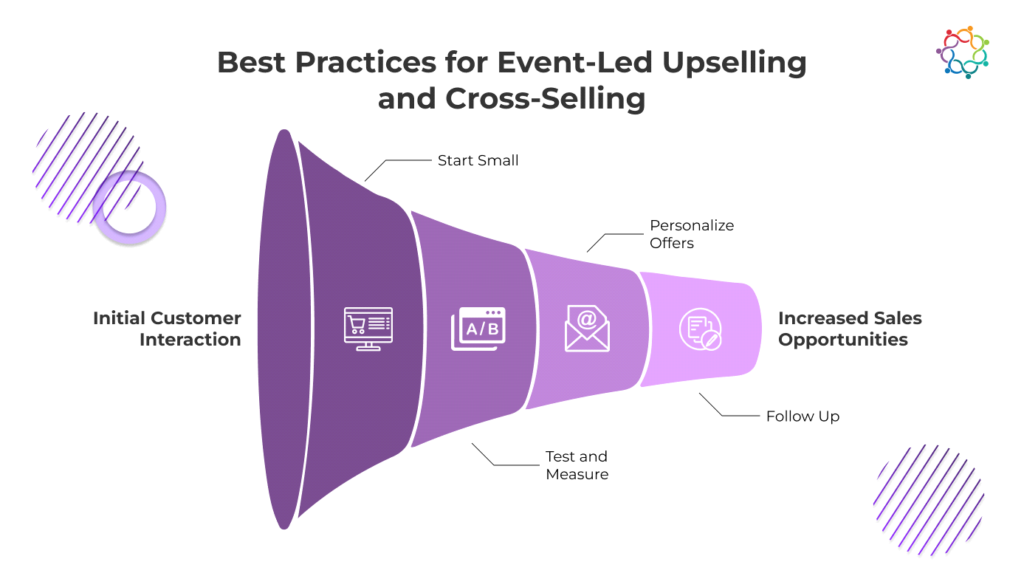
Start Small:
Initiate your upselling and cross-selling efforts with small, manageable offers that are easy for attendees to accept. This approach allows you to build confidence in your strategies while avoiding overwhelming potential customers with too many options. By starting with small upsells, you can gradually introduce attendees to the concept of purchasing additional products or services, which helps to create a comfortable buying environment.
Test and Measure:
Experimentation is key to finding the most effective upselling and cross-selling strategies. Implement various tactics and measure their success to identify what resonates with your audience. This may include different pricing models, promotional techniques, or product bundles. Tracking results through metrics like conversion rates and average transaction value will provide valuable insights that can refine your approach over time.
Personalize Offers:
Tailoring recommendations to individual attendees based on their preferences, demographics, and previous interactions can significantly enhance the effectiveness of your upselling and cross-selling efforts. Utilize data analytics to understand attendee behavior and preferences, allowing you to make personalized suggestions that feel relevant and timely. This personalized touch not only increases the likelihood of acceptance but also enhances the overall attendee experience.
Follow Up:
After the event, reach out to attendees with targeted follow-up communications that highlight additional products or services relevant to their interests. This could include exclusive post-event offers, personalized recommendations based on their engagement during the event, or reminders about products they showed interest in. Effective follow-up can nurture leads and convert interest into sales, further enhancing your revenue potential.
By adopting these best practices, event organizers can create a more seamless experience that not only drives sales but also strengthens attendee relationships, ultimately leading to long-term loyalty and satisfaction.
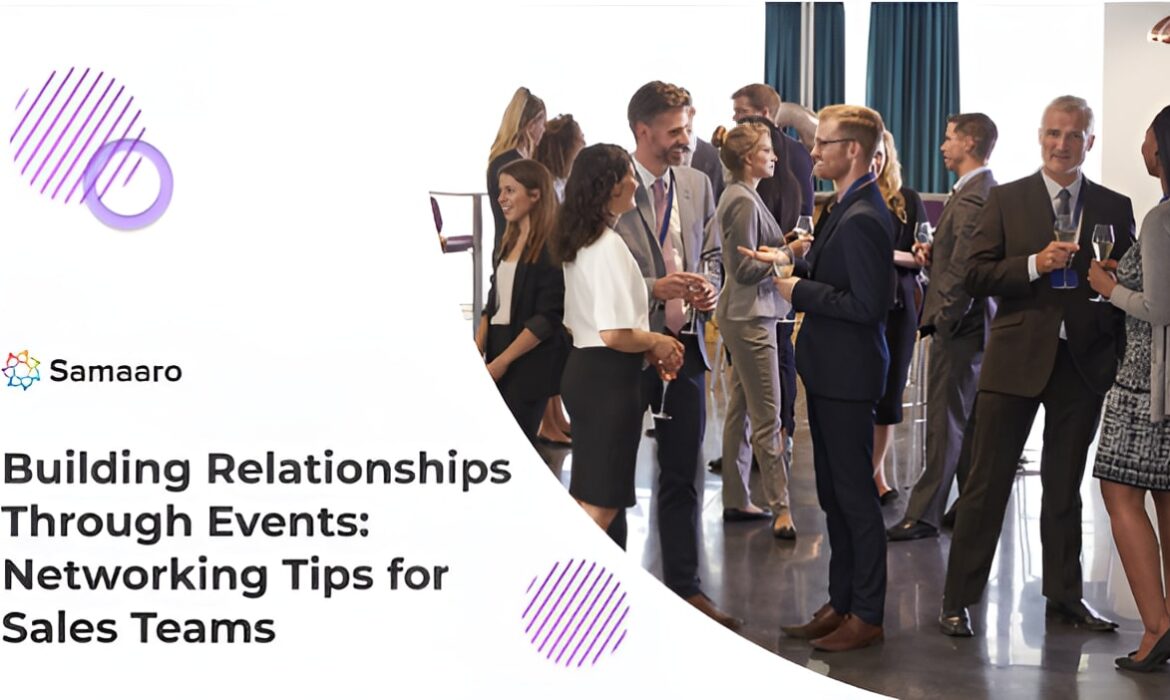
In the world of sales, relationship-building is essential, as strong connections often lead to greater business opportunities and long-term success. Networking provides sales teams with an invaluable platform to connect directly with prospects, understand their needs, and establish trust—all of which are crucial steps in the sales process. Events, whether they’re industry conferences, trade shows, or intimate gatherings, create a prime environment for meaningful networking by bringing like-minded professionals together in one place.
For sales teams, events are more than just meet-and-greet opportunities; they’re strategic touchpoints to build credibility, nurture leads, and cultivate partnerships that can yield high returns. By honing networking skills and employing effective strategies, sales professionals can turn event interactions into productive relationships, ultimately driving growth for their businesses. This guide highlights proven strategies and techniques for maximizing networking potential at events, from initial preparation to post-event follow-up, empowering sales teams to make the most of every interaction.
Pre-Event Preparation
Effective networking at events starts well before you arrive. A little pre-event preparation goes a long way in making meaningful connections.
Research Attendees
Understanding who will be attending the event can help you target potential prospects and approach them with relevant insights. Reviewing attendee lists, researching companies, and identifying decision-makers who align with your goals gives you a head start. By learning about attendees’ interests, challenges, and potential needs, you can tailor your approach and create more engaging conversations.
Set Networking Goals
Establishing clear goals gives direction to your networking efforts. Whether your objective is to connect with a certain number of prospects, introduce your brand to key players, or set follow-up meetings, defining your aims helps keep your interactions focused. When you know what you want to achieve, you can structure conversations to guide prospects toward those goals while ensuring a valuable experience for both parties.
Practice Your Elevator Pitch
Your elevator pitch is often your first impression, so it’s essential that it’s both clear and compelling. Practice introducing yourself and your company concisely, focusing on your unique selling points and the value you bring to clients. A well-crafted pitch can help you quickly capture attention and spark interest, setting the stage for a deeper conversation. Practicing beforehand allows you to deliver your pitch confidently and adapt it to each individual you meet.
With thorough pre-event preparation, you’ll feel more confident, stay focused, and maximize each interaction, making it easier to build meaningful connections right from the start.
Networking Strategies at the Event
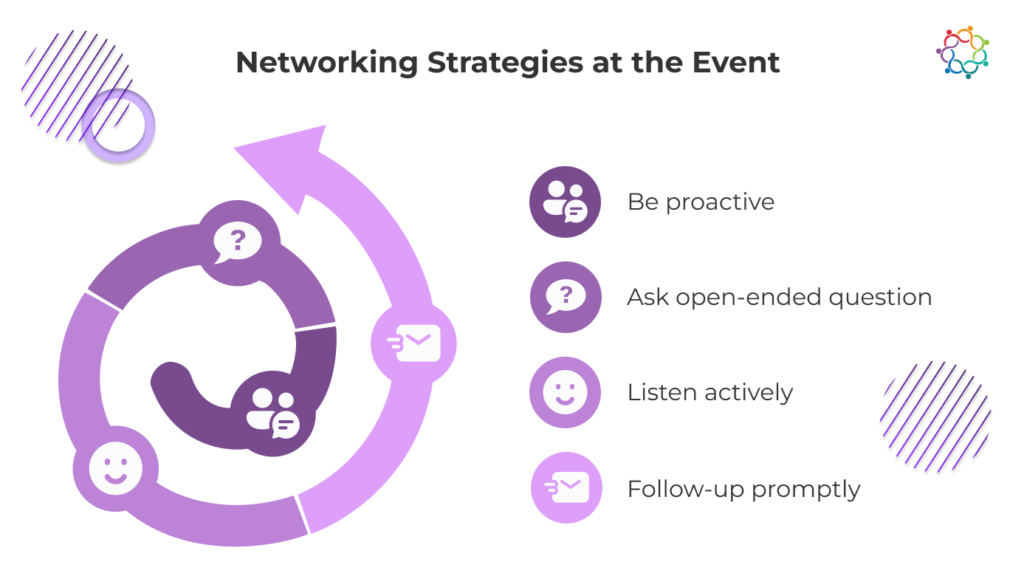
Networking during an event requires a proactive approach and genuine interest in building connections. Here are some effective strategies to help you make the most of each interaction:
Be Proactive
Don’t wait for others to approach you—take the initiative to introduce yourself to new people. Approach attendees with confidence and start conversations by offering a warm greeting and introducing yourself. Making the first move shows confidence, helps break the ice, and positions you as approachable and engaged. Walking around the venue, joining group discussions, or even simply introducing yourself to someone standing alone can lead to valuable connections.
Ask Open-Ended Questions
To foster meaningful conversations, ask open-ended questions that encourage the other person to share more about themselves and their work. Instead of yes-or-no questions, ask about their challenges, current projects, or industry trends they’re interested in. This not only keeps the conversation flowing but also provides insights into their needs and goals, which can help you identify areas where you or your company can add value.
Listen Actively
Active listening is key to building rapport and showing genuine interest in others. Pay attention to what the other person is saying, nodding to acknowledge their points, and responding thoughtfully. By listening more than you speak, you demonstrate respect and interest in their perspective, which makes them feel valued. Remember, successful networking is not about pitching constantly; it’s about fostering genuine connections.
Follow Up Promptly
After an engaging conversation, plan to follow up with a personalized email within 24 hours. Reference specific points from your conversation to show you were paying attention and express your appreciation for their time. A prompt follow-up reinforces your interest in staying connected and can lead to follow-up meetings or future collaborations.
By actively engaging in these networking strategies, you’ll be able to build stronger connections, learn more about your prospects, and ultimately create a positive impact that lasts beyond the event itself.
Effective Networking Techniques
Using targeted techniques during an event can help you make the most of each interaction and leave a lasting impression. Here’s how you can elevate your networking skills:
Join Networking Groups or Activities
Take part in structured networking activities offered by the event, such as speed networking sessions, roundtable discussions, or industry meet-ups. These organized interactions provide a supportive environment to meet people, which can help ease networking anxiety. Being part of these activities often puts you in touch with individuals who share similar goals, making conversations feel more natural and focused.
Leverage Event Apps
Event apps are a powerful tool for connecting with other attendees, scheduling meetings, and sharing contact information. Many event apps, like Samaaro, allow you to view profiles of other attendees, see who’s attending specific sessions, and send direct messages. This way, you can pre-plan introductions and set up one-on-one meetings, helping you create a more purposeful event experience. Additionally, using an app can help you keep track of all your connections, making follow-up easier.
Attend Breakout Sessions and Workshops
Breakout sessions, panels, and workshops are excellent opportunities to engage with peers and industry experts on focused topics. During these sessions, actively participate by asking thoughtful questions and engaging in post-session discussions. This not only broadens your knowledge but also helps you connect with like-minded individuals who share a common interest, which can often lead to more meaningful relationships.
Offer Value
One of the best ways to build credibility and trust is to share valuable insights or expertise. Whether you’re discussing industry challenges, sharing tips, or offering solutions, providing value in your conversations can leave a positive, lasting impression. Look for ways to help others with insights or resources, as this selfless approach can make you memorable and respected. Remember, networking is about building relationships rather than just promoting yourself, and helping others builds goodwill that often comes back in unexpected ways.
By incorporating these techniques, you’ll not only expand your network but also deepen the quality of your professional relationships, creating lasting connections that benefit both your career and personal growth.
Post-Event Follow-Up
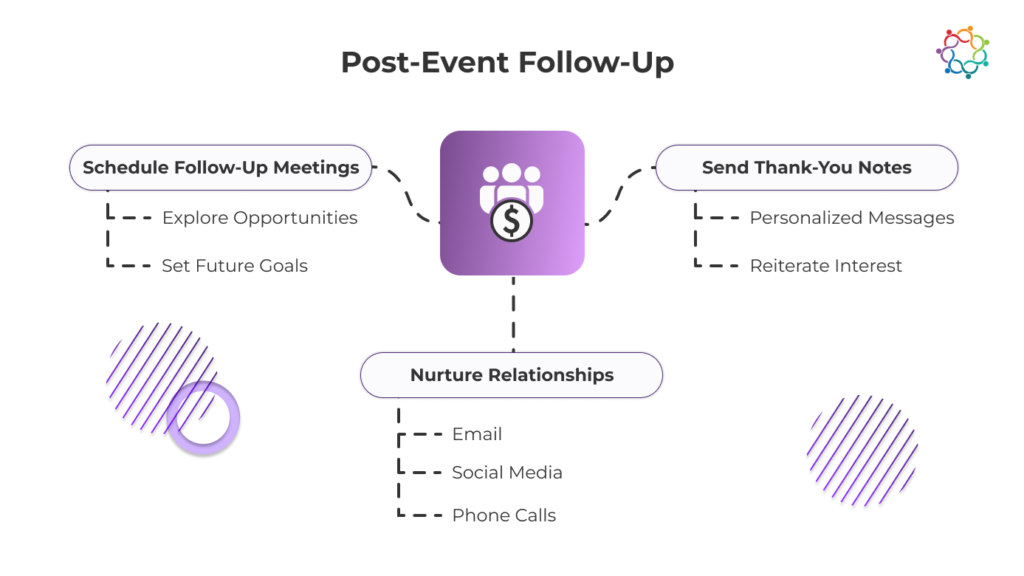
Following up after an event is a critical step to turn networking connections into lasting relationships. After returning from an event, make it a priority to reach out to the people you connected with while the conversations and impressions are still fresh. Here’s how to make your follow-up effective:
Send Personalized Thank-You Notes
Expressing gratitude is a great way to leave a positive, lasting impression. Send a brief thank-you note via email or LinkedIn to acknowledge the interaction and mention a specific detail from your conversation to show that you were genuinely engaged. Personal touches like this demonstrate professionalism and help reinforce the connection.
Schedule Follow-Up Meetings
If you identified specific opportunities or topics of mutual interest during the event, arrange a follow-up meeting to dive deeper. A quick coffee chat or virtual meeting can help solidify the relationship and explore how you might work together. Be clear about the purpose of the meeting, and suggest a few convenient times to make scheduling easier.
Nurture Relationships Over Time
Keeping a network strong requires more than just a one-time follow-up. Regular check-ins, sharing relevant articles, or sending congratulations on achievements help maintain connections in a meaningful way. Using LinkedIn, email, or even a CRM can help you track these touchpoints and keep up with your contacts’ updates and professional progress.
By following up effectively, you’re not only making yourself memorable but also building the foundation for a professional relationship that can lead to long-term opportunities.
Overcoming Networking Challenges
Networking can sometimes be daunting, particularly if you’re shy or new to an industry. Here are strategies to help overcome common networking challenges:
Overcoming Shyness
For introverts or anyone experiencing social anxiety, large networking events can feel overwhelming. Prepare in advance by practicing your elevator pitch and rehearsing a few key talking points. Start conversations with open-ended questions that get others talking about themselves, as this can relieve the pressure of carrying the conversation. Remember, small steps are valuable – even a few quality connections are worthwhile.
Dealing with Rejection
Not every conversation will lead to a strong connection, and sometimes you may encounter people who are disinterested or unavailable. Instead of taking it personally, view rejection as part of the networking process. Focus on those who are genuinely interested in connecting, and keep a positive attitude. Each experience offers a learning opportunity that builds resilience, which will help you confidently approach new connections in the future.
By addressing these challenges directly, you can become more comfortable in networking environments and build confidence, enabling you to make the most of each event and grow your network in a meaningful way.
Conclusion
Building relationships through events is essential for sales teams looking to expand their networks and create growth opportunities. By implementing these networking strategies—both during and after the event—sales professionals can build rapport, establish valuable connections, and ultimately enhance their sales outcomes.
Ready to see how Samaaro can support your networking goals? Book a demo and start your free trial.

Event-based lead generation is a powerful tool, but to make it truly effective, it’s essential to not only execute a great event but also attract the right audience from the start. Targeting the right participants who are likely to convert into customers is key to event success. It involves understanding who your ideal customer is, ensuring your event content resonates with them, and creating messaging that compels them to attend. Without a well-defined target audience, even the best event can fall short in delivering quality leads.
What is Event-Based Lead Generation?
Event-based lead generation refers to the process of using events—whether virtual, hybrid, or in-person—to attract potential customers and convert them into qualified leads. These events provide direct access to prospects, enabling personal interaction and valuable insights that are hard to achieve through other marketing channels. Events help establish brand credibility, showcase products, and nurture relationships in a highly interactive environment.
Benefits of Event-Based Lead Generation
Using events to generate high-quality leads offers several benefits:
Key Strategies for Effective Lead Generation Through Events
The success of event-based lead generation hinges on a combination of understanding your audience, creating a compelling event narrative, and employing effective lead capture and follow-up strategies.
Understanding Your Target Audience
The foundation of effective lead generation starts with a clear understanding of your target audience. To ensure your event resonates with the right people:
Creating a Compelling Event Narrative
To attract the right attendees, it’s crucial to create a narrative that resonates with them and piques their interest even before the event begins. Pre-event communication plays a big role here.
Effective Lead Capture Strategies
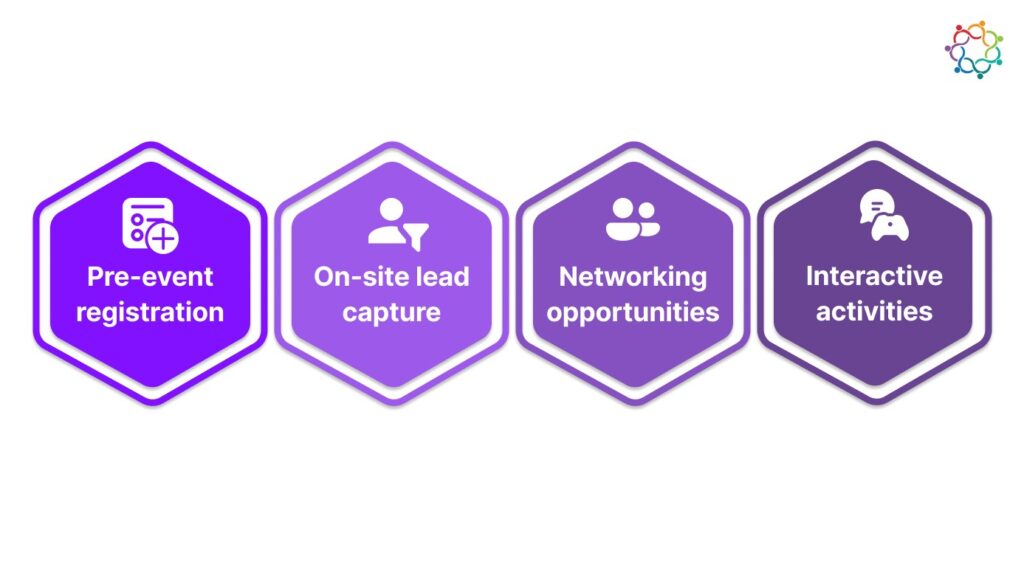
Capturing leads effectively during the event is crucial for long-term success. Here are some strategies to ensure you’re not missing opportunities:
Post-Event Follow-Up
Your event’s success depends heavily on what happens after it ends. Following up in a timely and personalized manner can turn interested attendees into loyal customers.
Measuring Lead Quality and Conversion Rates
After the event, it’s essential to measure the effectiveness of your lead generation efforts. Here’s how you can track success:
Best Practices for Event-Based Lead Generation
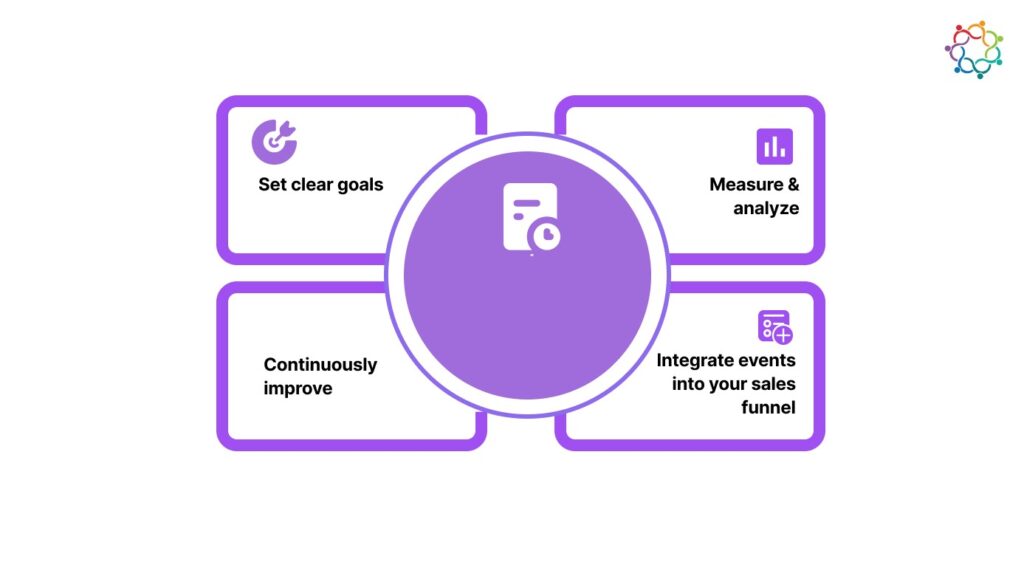
Implementing effective best practices for event-based lead generation can enhance your marketing efforts and drive business growth. Here are key strategies to consider:
1. Set Clear Goals
Establish specific objectives for your event, such as generating a certain number of leads or increasing brand awareness within a target audience. Defining key performance indicators (KPIs) aligned with these goals helps guide your planning and execution. Clear goals ensure that all team members work toward a unified objective, making the event more focused and effective.
2. Measure and Analyze
Tracking essential metrics like registration numbers, engagement rates, and lead conversions is crucial for evaluating your event’s success. Use event management software for real-time data tracking and analysis. After the event, compare actual outcomes against your initial goals to identify trends and areas for improvement. This data-driven approach enables you to refine strategies for future events.
3. Continuously Improve
Post-event evaluations are essential for optimizing future lead generation efforts. Collect feedback from attendees and team members to understand what worked well and what didn’t. Utilize surveys and interviews to gather insights, focusing on common themes. Use this feedback to make informed adjustments to your event planning and execution processes.
4. Integrate Events into Your Sales Funnel
Ensure that the data collected during events is seamlessly integrated into your CRM system. This integration allows for better tracking and management of leads, supporting your overall sales efforts. By aligning events with your sales funnel, you can effectively nurture leads and maximize the impact of your marketing initiatives.
By implementing these best practices, you can transform your events into powerful lead generation tools that drive growth and engagement for your business.
Conclusion
Using events as a strategy for generating qualified leads can offer immense value to businesses, providing direct access to potential customers and fostering deeper relationships. By targeting the right audience, creating a compelling event experience, capturing leads effectively, and following up with personalized communication, you can maximize the success of your event-based lead generation efforts.
Want to see how Samaaro can help you streamline your lead generation process through events? Book a demo and start your free trial today!
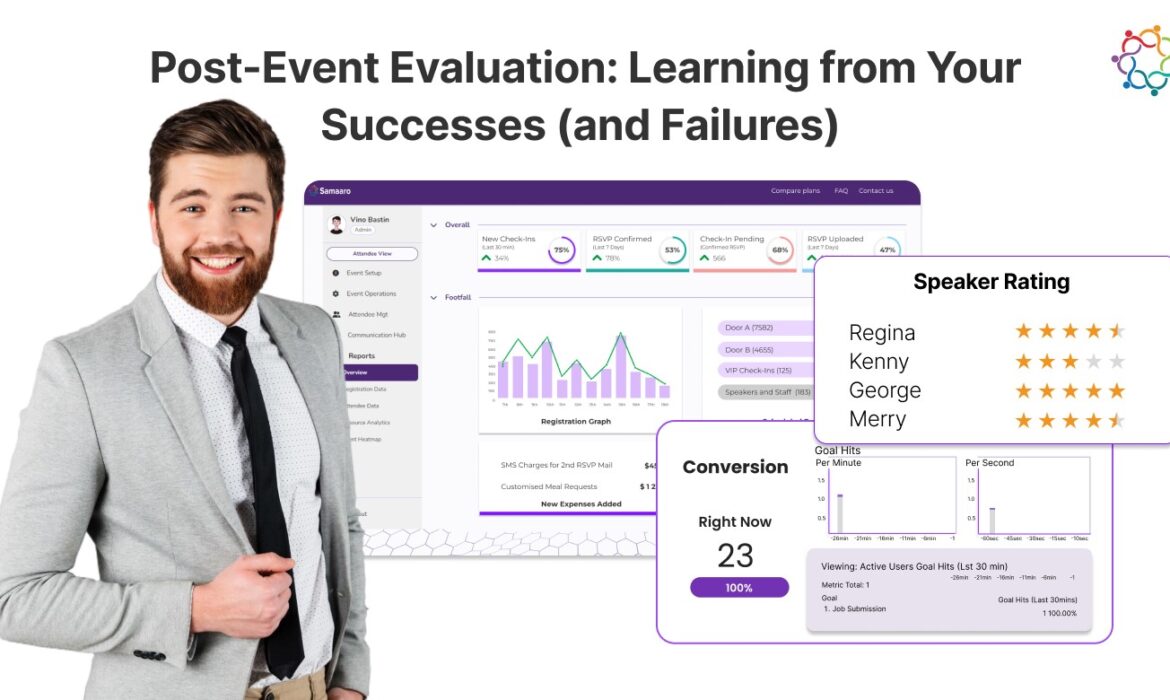
Reflecting on an event should be an integral part of your project, for each project involves successes and challenges. Often, in the scramble to complete the current project and rush into the next project we overlook the evaluation stage. Then, it becomes a missed opportunity. The evaluation stage provides opportunities to recognize important learning which will make better decisions and sharper strategies for the next event. Evaluation of an event can provide improvements for long term results and to develop more impactful experiences for attendees.
The evaluation stage provides the opportunity to convert feedback and data into actionable insights. The four areas to evaluate are the satisfaction of attendees, networking, event logistics, and return-on-investment. This approach allows for continuous improvement and evolution with each event. Post-event evaluation also allows event organizers to learn from experiences and not simply repeat mistakes, while also ensuring events are each progressively more successful than the last.
Key Areas for Evaluation

Attendee Satisfaction:
One of the most important measures for any event is the satisfaction of the attendees. Assessing attendee satisfaction can be done through reviewing surveys and feedback forms. Even informal conversations recorded during and after the event are useful to identify which attendees were satisfied and which had less than a desirable experience. The feedback provided by attendees provides direct insights into what attendees liked and disliked about their experience and what could have made the event more enjoyable.
Event Goals & Objectives:
Each event is made with specific goals to pursue–whether that’s to raise brand awareness or launching a product, or to generate leads. After the event you will want to evaluate if you attained these goals. Did the event accomplish its objectives?
It is important to make a clear comparison of what you set out to do and what you achieved. When it came to engagement of attendees through interactive sessions, how many people really participated? Assessing where your event exceeded expectations and where it fell short in relation to the original goals offers the clearest picture of how successful it really was.
Return on Investment (ROI):
Calculating return on investment as part of any post-event evaluation is critical. While traditional ROI refers specifically to financial, and involve measuring revenue generated against event costs, we must also consider the number of intangible benefits. Events represent real value in terms of brand awareness, networking, and relationships…even if it doesn’t always get recorded on sheet.
Write down and calculate event costs–venue, technology, marketing. To compare direct event revenue to revenue from ticket sales and sponsorships and closed business because of the there are additional non-monetary improvements you to assess too, such as increased customer satisfaction, better brand reputation, and relationship development that could results in revenue in the future.
Lead Generation and Conversion:
Lead generation is typically one of the highest priorities of any event, especially in a B2B environment. So in addition to measuring leg numbers it is also important to assess lead quality, as are these leads aligned with the intended audience for the event?
It is also valuable to assess how effectively the event assisted in converting leads into potential clients or customers. How effective was your follow up and how many of the leads converted to business? Following up on lead conversions is essential to help access the overall value of the event in terms of business development.
Networking and Engagement:
Networking is one of the most valuable aspects of an event, and you want to look at the effectiveness of your events ability to provide networking opportunities. Were the attendees connecting with each other, engaging with the speakers or with the exhibitors? Did your event create purposeful, engaging dialogue?
In measuring success for networking, determine the number of one-on-one meetings, the number of attendees that participated in any networked session, as well as participant comments about their networking experience. Consider what factors allowed for the positive networking experience, was it the event, the environment or perhaps the use of a tool like matchmaking technology? An important part of evaluating networking is determining the factors that created success in your event design; it can help you create more effective networking experiences for future events.
Event Logistics and Execution:
As a reminder, the operational aspect of the event is of equal importance as the content. Reflect on logistical components, were they all well-managed? This includes from registration and setting your sessions , to venue lay-out and managing the tech. After the event, reflect and consider how the operational phase was managed. Did you experience registration challenges? Did sessions start and finish as planned? Were there logistics or delays which exposed weaknesses in operational planning?
Social Media Engagement
Social media engagement is an ever-important measure in today’s digital society, it acts as an important barometer for measuring event success. Social media engagement will be useful in giving an indication of overall success. Did attendees engage with social media, and share their event and brand experience, and participate in content online?
Social media engagement reporting will allow you to measure mentions, shares, and likes and comments on you engagement’s, however, sentiment analysis is just as important. Are the comments or sentiment positive or critiquing? Analyzing this discourse, will highlight trends, perceptions, and influencers who positively responded to your event and shared the word.By critically assessing these key areas, you will not only be able to celebrate the success of your event, but also gather valuable learnings that will help you deliver even more successful events in the future.
Data Collection and Analysis Tools
When it comes to conducting a post-event analysis, the right data collection tools and analysis is incredibly important. They will help track all the key performance indicators (KPI’s) and provide information to help shape your future logistical and strategic events. Below we provide some of the common tools for collecting and in valuating the data after an event., and how it can be used in a post-event analysis.
Event Management Software:
Event management software, such as Samaaro, is an essential tool for monitoring the success of any event. Event management platforms like Samaaro have features for monitoring attendance, engagement, and lead generation.
With Samaaro, you can track your attendee’s behaviour in real-time, all the way from registration, check-in through to participation in the sessions. Samaaro’s platform can yield detailed data on which sessions attendees joined, including duration of engagement and which content was most viewed. Samaaro also allows you to capture leads at all data capture touch points throughout the event, whether its attendees downloading a brochure, completing polls or booking a one-on-one meeting with a presenter.
From an engagement perspective, Samaaro’s event management software can also integrate directly with tools such as CRM application to help you with lead generation and streamlining conversions to different brands. Furthermore, Samaaro’s software is automatic, so you can generate reports of things like session popularity, traffic flows, and your networking opportunities in a seamless manner. This not only makes your post-event assessment easier – but it allows you to take valuable information from all your collected data to help influence how you can improve future events even further.
Survey Tools:
Surveys provide direct feedback of the event experience from the attendees point of view. Tools such as Google Forms or SurveyMonkey can be useful for collecting the responses of several different areas of the overall event (such as the content being presented, satisfaction, etc.) Since feedback from survey tools provides you with attendee experiential data, with survey tools you can gather both what event elements were successful while also identifying areas that required strict improvements to enhance the overall experience of the event in the future.
Social Media Analytics:
Social media platforms can show you how involved engaged attendees were in online discussions before, during and after the event. Now you can mine any publicly available data where your event was mentioned directly by attendees, but also consider mentions using the event hashtag, as well as any likes or shares of event related content. Using tools such as Hootsuite or native analytics can assist you in this process and give you an overall impression of your event’s digital impact based on your attendees engagement. Specifically, feedback from social media often will highlight popular aspects of the event as well as ways that improvements can still be made based on the reaction from attendees of those aspects.
CRM Software:
CRM software such as Salesforce or HubSpot, can track any leads that were generated during the event. Depending on your event planning software, you may be able to integrate your event management software with the CRM application which will make it easier to follow-up with leads and track conversions. You will gain insights about your event from both lead generation and the effectiveness of your efforts to nurture those leads post-event.
The primary reason for all of these tools is you can use them together to get a detailed evaluation of your event performance. Event management tools, like Samaaro, let you track attendee activities in real-time while survey tools provide you with direct feedback from attendees. Social media analytics allow you to access audience sentiment and the overall digital presence of your event. Customer relationship management (CRM) software keeps you honest about lead generation and even conversions with activities tracked. Every one of these tools will facilitate a data-driven approach when evaluating your event post-execution, and combined, will help you become more strategic about planning the next one.
Best Practices for Post-Event Evaluation

Identify Clear Goals :
When it comes to defining your event goals, ask what you hope to learn from the event. Do you want to measure overall attendee satisfaction, or how many leads were generated, or better yet if attendees enjoyed networking. Whatever it may be, determine your areas of focus during the evaluation upfront, while sticking to your specific goals in identifying your data.
Access Data from Various Sources :
To get a more comprehensive view of your event, you will need to combine various data points as sources. Surveys allow you to drill into their overall feedback directly from attendees, while social media sites provide a measurable public persona detailing sentiment and engagement from those posts; Event management tools like Samaaro can provide metrics related to attendance, session attendance, even lead generation to contribute to making a more complete picture of an event’s success.
Analyze metrics in greater detail :
Utilize more than just surface level metrics. Look at your overall attendance numbers and engagement of attendees e.g. did they come and go, attend the whole event, or even participate in every session? There are other details that could reveal themselves, but you will only find them if you review those details fully.
Determine positives and negatives :
Using your data allows you to discover patterns relating to strengths or areas of development. By noting positive feedback, this can help you direct similar successes in your room when evaluating challenges for future events. Look for common feedback patterns or details from engagement that may help you establish systemic answers to areas to attack for improvement.
Communicate to the team :
Communicating your data and analysis of that data to your event team gradually with the rest of your stakeholders will help you communicate the success or challenges. Making all the accomplishments and areas of development is essential for everyone to be on the same page and collaborates for the best possible outcomes for performing the next event better.
Conclusion
Post-Event evaluation is an essential stage of event planning to gain knowledge from improvements and challenges. Identifying clear goals, collecting data from multiple sources and taking time to analyse your data, can not only provide value for decision-making and development, but for all future events as well. The desire to maximize the attendee experience, logistical manoeuvres, lead generations will only come with time, through an iterative process of thorough evaluations of each event to the next.
Are you ready to elevate your events? Book a demo of Samaaro and start your free trial to see how our platform can help leverage this.
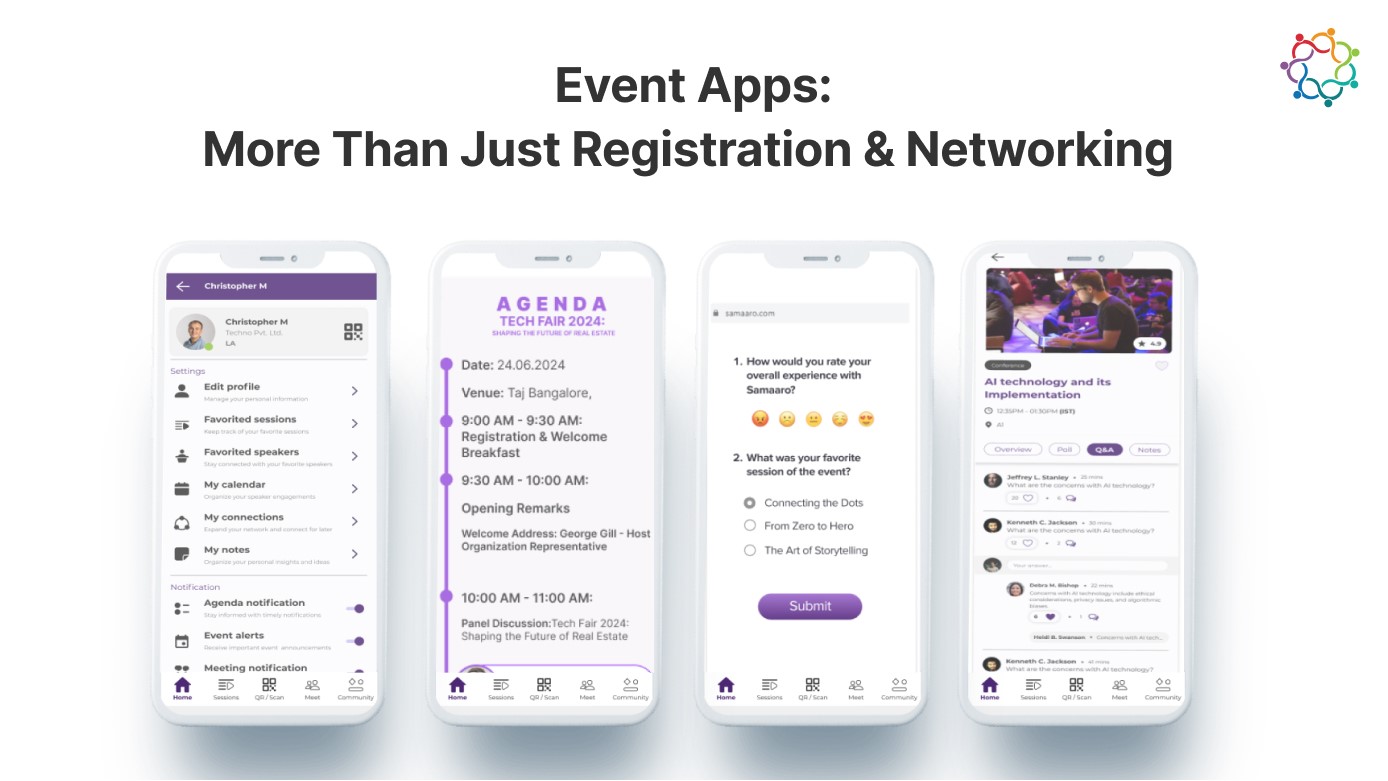
Let’s be honest, if you’re planning a smaller, curated event with less than 50 people in attendance, an event app may feel overkill. However, with a larger event with 150 to 200 attendees or more, an event app is a modern must. It’s no longer just registration or networking; it’s creating a high-quality experience for participants and organizers alike with a smooth experience.
Event apps have become far more sophisticated than basic registration and offer several features that will deliver on a positive participant experience while improving an event organizer experience. If you manage large events, you will find, an event app is not just a tool, it can be your best event partner.
More than Registration and Networking: Familiarize Yourself with the Robust Features of an Event App
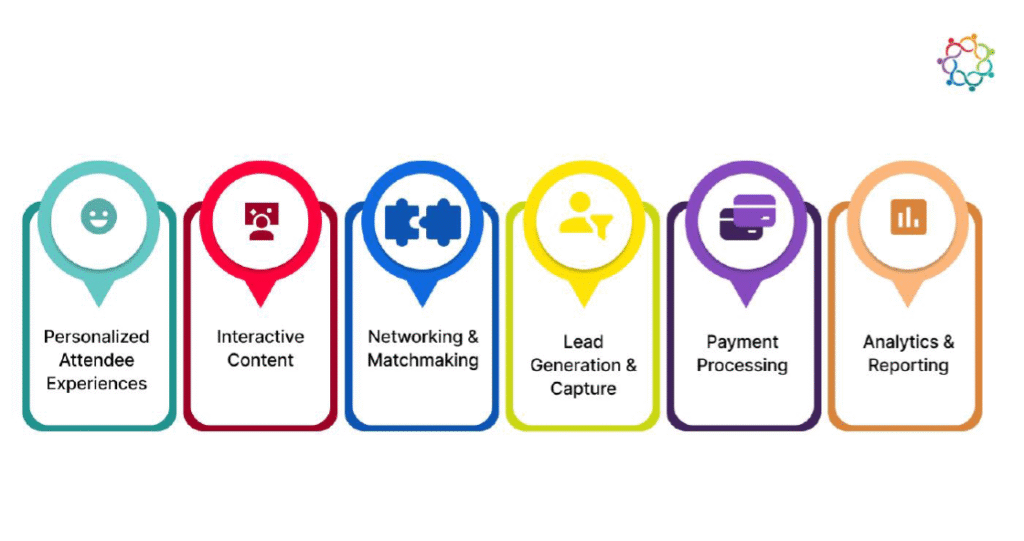
Beyond Registration and Networking: Key Features of Event Apps
Personalized Attendee Experiences
An event app is no longer a one-size-fits-all, ‘you could get lucky’ experience. Now you can add a layer of personalization by curating individual agendas for participants, based on preferences, who attends what session, or even who they want to network with for example. The app can deliver personalized notifications and updates to everyone, managing the busy schedule with event reminders that matter to them.
Create itineraries for each attendee, and detail everything from when and where the sessions will take place, hotel room numbers, and even flight numbers. The increase in personalization is astounding; it brings a high-end luxury event experience to a whole new level.
Interactive Content
With an event app you can go beyond passive content. You can create polls, quizzes, and interactive words in your sessions to engage participants, whether you’re trying to be informative, or collecting valuable insights. Add some gamification, leaderboards, badges, or even prizes, and you instantly have a conference, an engaging, interactive experience. It’s a fun way to increase engagement and ensure people want to participate.
Networking and Matchmaking
We all understand networking is one of the primary reasons individuals attend events. With an event app, networking doesn’t have to mean awkward introductions; it can be structured networking based on AI recommendations. For example, the app can suggest individuals to network with based on shared interests, similar backgrounds, or industries. The more structured the experience, the more it feels like natural engagement. You could even use 1:1 meeting features or group chat features to facilitate engagement, regardless of being in person or digital.
Meeting Planners and Lead Generation
The capabilities of event apps come out in spades for the organizers. The app does not only support registration, it also tracks everything. It tracks everything digitally when the attendees engage in various sessions, download brochures, and view product videos. It builds a digital footprint of interests and intents, allowing the event organizers to gain a clear understanding of what leads are interested in.
Even better, many event apps can integrate to your CRM and automation tools, making it super easy to follow up with leads, and continue the conversation long after the event is over.
Payment Processing
Need to sell conference tickets; sell merch; or collect donations as part of your event. No problem. Event apps can have built-in payment gateways to make this process simple for both the organizers and event attendees. There’s no more having to balance any third-party systems nor having to be concerned about monetary transactions being conducted manually.
Analytics and Reporting
We all want to know how you can tell if your event was successful? Event apps will give you real time analytics (yes, real time), so you can track metrics such as attendee statistics, sessions, as well as attendees socializing about your event. And then at the end of the event, you can produce an actual report that analyses every detail of what was good or bad about the event for actionable data to provide an overall better event next time.
How Event Apps Can Enhance the Event Experience
Improved Attendee Satisfaction: Attendees will be satisfied through personalized experiences, interactive access, and reduced time spent waiting in queues.
Increased Engagement: Gamification, interactive content, tools to network, etc., keeps people engaged during the whole event.
Improved Lead Generation: Once you convert your information digitally, you will likely receive higher quality leads and have an informative basis for proper follow up.
Cost Cutting: Digital events increase efficiencies and improve budgeting as well, while reducing printing costs to virtually nothing.
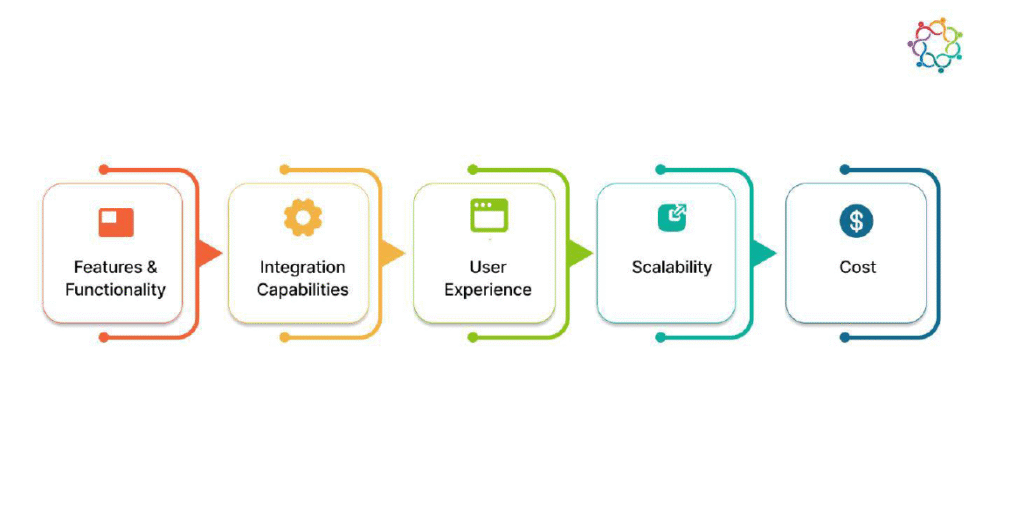
Choosing the Best Event App: Things To Think About
Features/Functionality: Will the app allow you to carry out the event successfully through advanced functionality of features?
User Experience: You don’t want people getting frustrated with the event app, If it’s useless, people will hate it.
Scalability: Can it grow with your event? Will it handle the success of your event, If this was the case?
Cost: Whether to pay for an event app and waste time on thinking about the value it provides compared to estimated usage of the features, etc…
Conclusion
Event apps have come a long way from general registration or networking features – there is more to an event app. Event apps help to provide personalization of an event, lead generation and engagement of your audience. What you get from an event app provides benefits to improve an event aim to maximize when an event app is used properly.
Would you like to try your next event in an event app? Samaaro’s event app can do everything which is mentioned above. Book if to book a demo and start a free trial for you have all the content delivered currently, then you can experience how an event app can lift your experience!

Let’s be real—just hosting an event and hoping it goes well isn’t enough anymore. If we’re not paying attention to the data, we’re flying blind. These days, it’s all about knowing what worked and what didn’t. And without data, well, we’re just guessing, right?
In this blog, we’re going to dive into what data-driven event marketing really means, why it’s so important, and the key things we should be measuring to make sure our events are actually hitting the mark. We’ll keep it simple and to the point—because we all know, no one has time for over-complicated theories!
What is Data-Driven Event Marketing?
So, data-driven event marketing is about using real numbers, real insights to make decisions, instead of just winging it. It’s about learning from each event, seeing where we nailed it and where we might have missed the mark. Think of it like this: data gives us the story behind the event, the context, and the “why” behind things.
For example, if a session had low attendance, it’s easy to assume people weren’t interested, but maybe it clashed with lunch or something else. Data helps us see the nuance and make sense of the messiness. Events can be chaotic, and without digging into those numbers, we’re just guessing. And who wants that?
Why Data Matters in Event Marketing?
Honestly, without data, we’re just shooting in the dark. It’s not just about knowing how many people showed up but about figuring out why they came, what they cared about, and what we could do better next time. Plus, how do we justify the event budget if we don’t know if it was worth it?
Here’s why we need to care about data:
ROI Tracking: The bottom line—did we make money, or just spend a lot? Data gives us the hard facts.
Engagement: Were people genuinely interested, or were they just there for the freebies? Tracking engagement shows us how much people are actually participating.
Continuous Improvement: Every event teaches us something. With data, we’re learning from each one and making the next one better.
Proving Value: Whether it’s for the boss or the client, hard numbers show the value of our event in a way we can’t always explain.
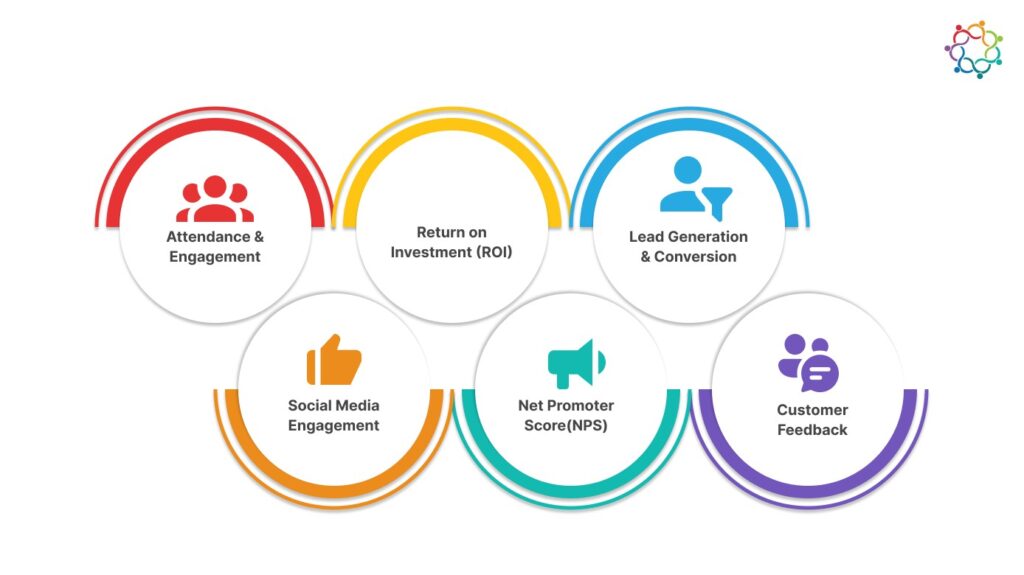
Key Metrics to Measure
We could drown in data if we wanted to, but let’s stick with the key metrics that really matter.
1. Attendance and Engagement
2. Lead Generation and Conversion
3. Return on Investment (ROI)
4. Social Media Engagement
5. Net Promoter Score (NPS)
6. Customer Feedback
Data Collection and Analysis Tools
Collecting all this data manually? No thanks. We need the right tools to do it efficiently. Here’s what we recommend:
Event Management Software: Platforms like Samaaro help us track attendance, engagement, and leads all in one place.
Analytics Tools: Google Analytics, social media platforms, survey tools—they help us keep tabs on everything from web traffic to social buzz.
CRM Software: CRM’s help manage leads, track conversions, and analyze sales data, making it easier to quantify the long-term value of event-generated leads.
Best Practices for Data-Driven Event Marketing
To make the most of our data, there are a few best practices we should follow:
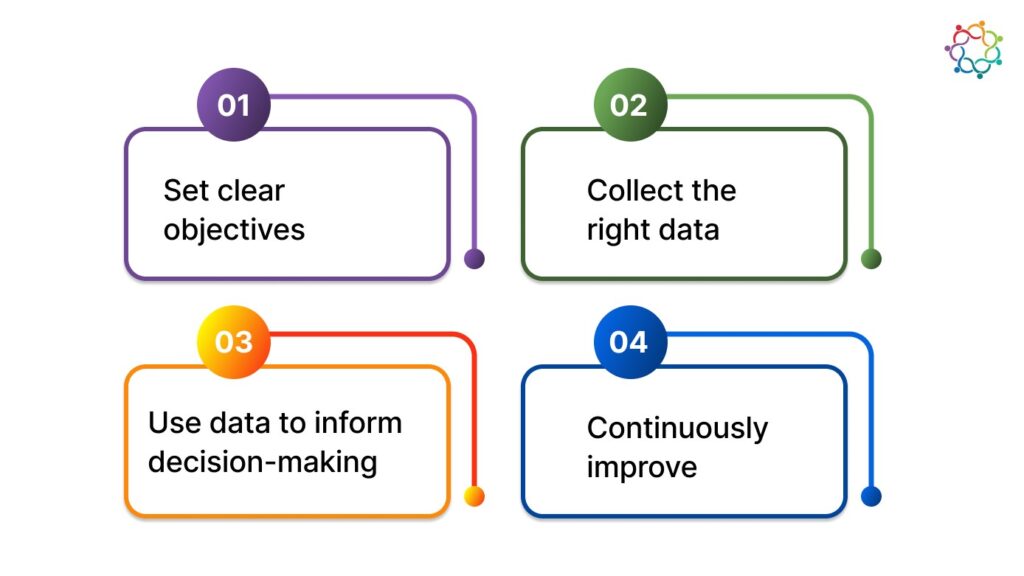
Set Clear Objectives: What are we trying to achieve? Are we focusing on leads, sales, or awareness? Let’s be clear about our goals before diving in.
Collect the Right Data: We can’t track everything, so let’s stick to what matters most for our objectives.
Use Data to Make Decisions: What’s the point of all this data if we’re not actually using it? Let’s make sure it’s guiding our future event strategies.
Continuous Improvement: Every event gives us more to learn. Let’s use that data to make the next event even better.
Conclusion
At the end of the day, data-driven event marketing is how we make sure we’re not just running events but running successful ones. By focusing on key metrics—engagement, leads, ROI, and social buzz—we can get a real sense of what worked and what needs tweaking. And the best part? Each event makes us a little smarter for the next one.
Ready to take your events to the next level? Book a demo with Samaaro and start your free trial today to see how our platform can help you track and optimize the data that matters most!
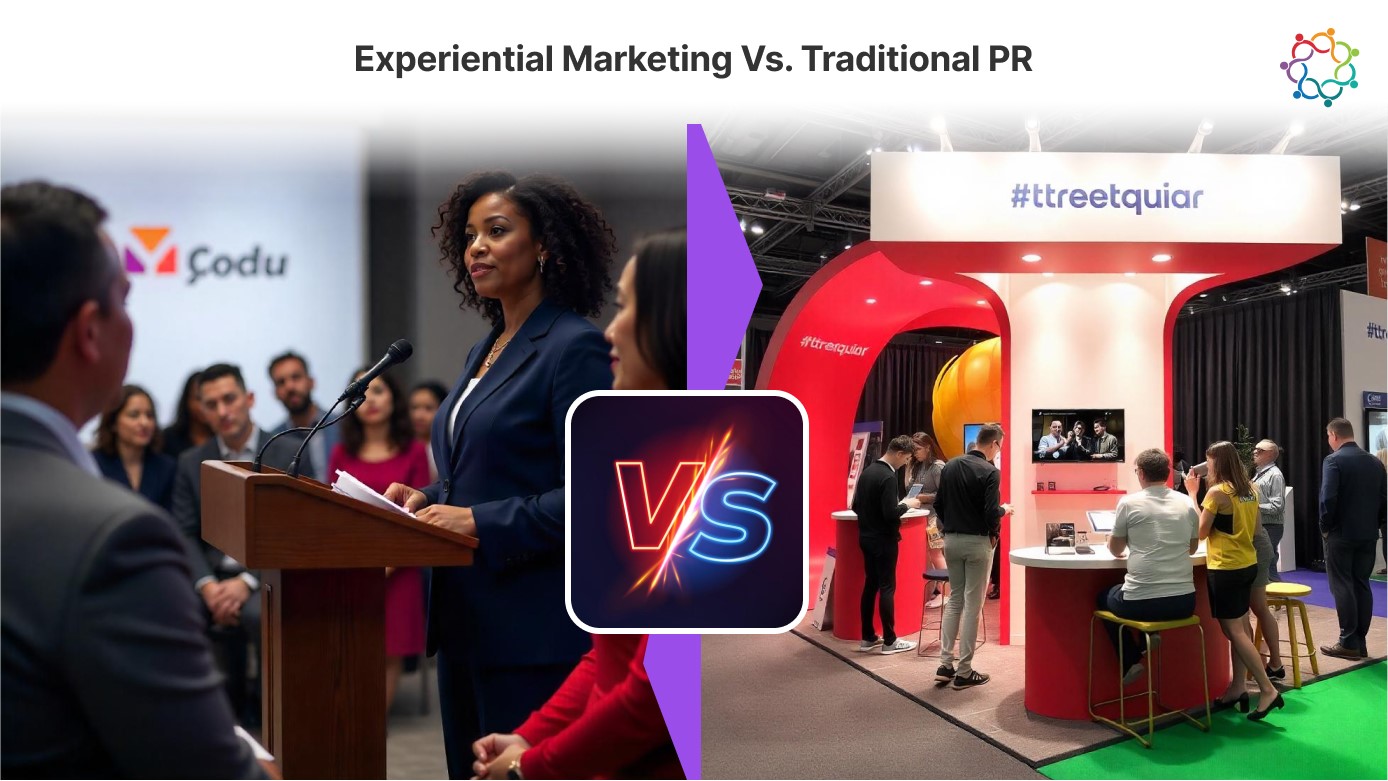
In today’s hyper-digital world, traditional PR methods—like press releases and paid ads—are quickly losing their edge. Consumers are becoming immune to the constant barrage of information and increasingly skeptical of over-polished brand messages. They crave something real, something they can experience rather than just see or hear. This shift is driving brands to rethink their PR strategies, and one solution is standing out from the rest: event marketing.
2024 is the year events step into the spotlight as the new PR powerhouse. No longer are events just a means of gathering people together—they’ve evolved into immersive, brand-defining experiences that create genuine connections and leave a lasting impression. From product launches to large-scale brand activations, events offer a unique opportunity to break through the noise and engage audiences in a meaningful, memorable way.
Consumers today aren’t looking for just another product; they want to feel the brand, interact with it, and walk away with a story to tell. This is where events shine. They provide the perfect platform for brands to craft these experiences, driving brand loyalty, sparking organic buzz, and transforming attendees into brand advocates. It’s not just about what you say anymore; it’s about how you make people feel, and nothing does that better than a well-executed event.
But why are events so effective in this new PR landscape? Let’s dive into why event marketing is poised to be the most powerful tool in your PR arsenal this year.
Why Events are the Future of PR
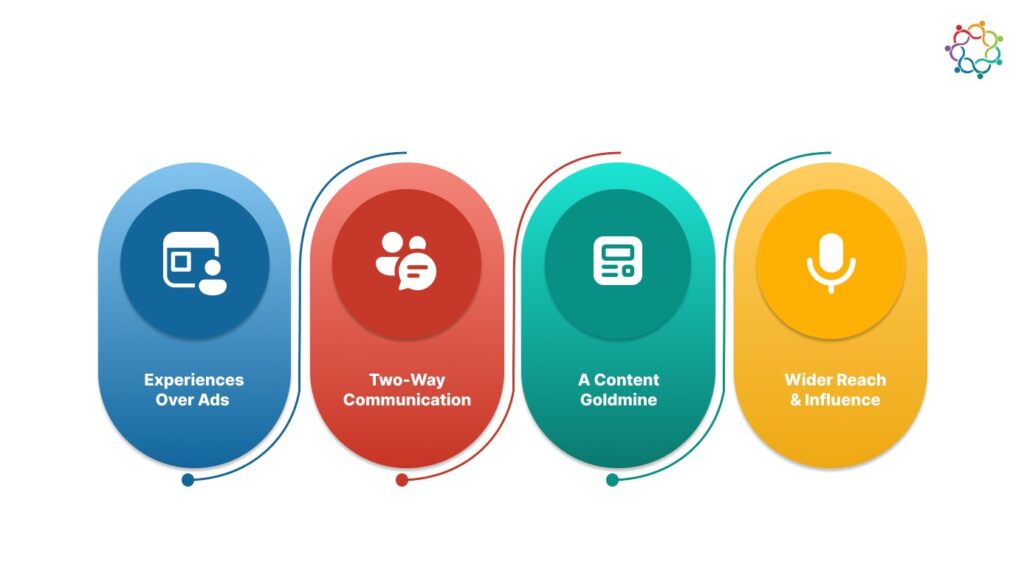
Experiences Over Ads
In a world where people are bombarded with thousands of ads each day—whether it’s on social media, billboards, or TV—traditional advertising is losing its impact. Consumers have developed a kind of immunity, scrolling past ads without a second thought. What they’re looking for instead are authentic experiences. Events offer a unique opportunity to provide this. Instead of just promoting a product or service, events allow consumers to interact with a brand in a hands-on, immersive way. Attendees can engage with your brand’s story, feel the energy, and be a part of something memorable. This emotional connection is far more powerful than any traditional ad can achieve, leading to stronger brand loyalty and deeper customer relationships.
Two-Way Communication:
One of the biggest advantages of events is the opportunity for direct, real-time interaction. Traditional PR methods like press releases or advertisements are one-sided; they tell the audience what the brand wants to say. Events, on the other hand, open the door for two-way communication. They allow brands to engage with their audience, listen to feedback, and respond to questions in real-time. This creates a sense of personal connection that can’t be achieved through a television spot or a print ad. Consumers are far more likely to trust and advocate for brands they’ve had personal, positive interactions with—especially when they feel heard and valued.
A Content Goldmine:
Events aren’t just one-time experiences—they are also a treasure trove of content that can fuel your PR and marketing efforts for months to come. Think about the number of photos, videos, live streams, interviews, and social media posts an event can generate. Attendees naturally share their experiences online, creating organic, user-generated content that carries more authenticity and credibility than traditional branded content. On top of that, you can record sessions, capture testimonials, and create highlight reels that can be repurposed across your marketing channels. The sheer amount of content generated from a single event can provide PR material that keeps your brand top of mind long after the event itself has ended.
Wider Reach and Influence:
Events used to be seen as limited in scope to those who could physically attend. However, in today’s digital-first world, events have the potential to reach far beyond the venue. With live streaming, virtual platforms, and social media, events can now engage audiences globally. This means that a local event can quickly gain national or even international attention. The networking opportunities at these events aren’t limited to face-to-face interactions anymore either. Attendees can connect digitally, forming valuable business relationships and partnerships that extend the influence of the event well beyond its immediate surroundings. Additionally, media coverage, influencer participation, and social media buzz all work together to amplify an event’s reach, making it a powerful tool for increasing brand visibility and awareness.
Unlocking New PR Dimensions with Event Marketing
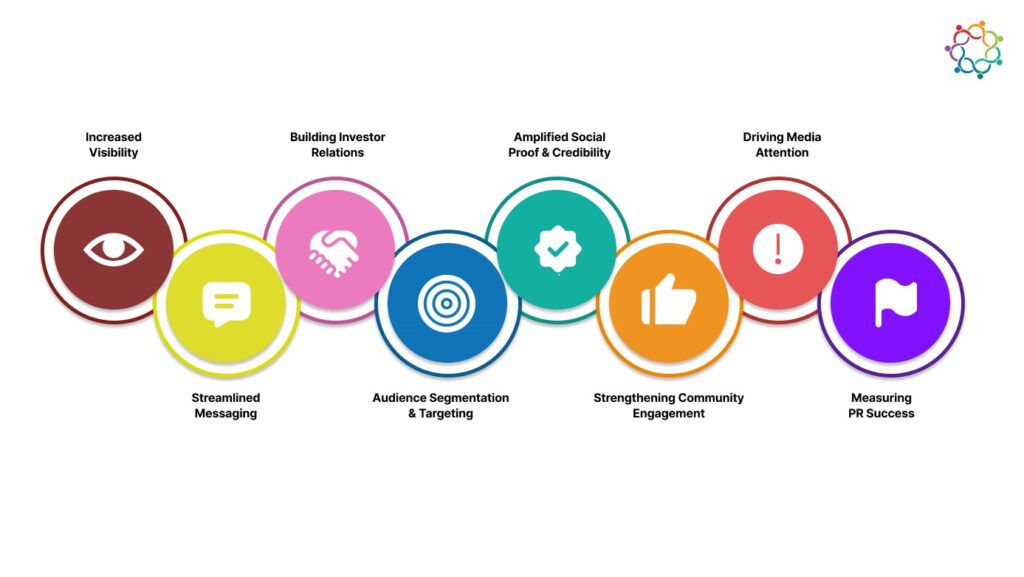
Event marketing has become a pivotal tool for brands looking to reshape their public relations strategies. Beyond just hosting gatherings, events have the potential to open entirely new dimensions for brand growth, visibility, and engagement. Here’s how event marketing can redefine your PR efforts:
Increased Brand Visibility:
A well-executed event doesn’t just engage the attendees on the ground—it can skyrocket your brand’s visibility across multiple channels. Media outlets, influencers, and even casual attendees create organic buzz, which is far more authentic and persuasive than traditional marketing efforts. Live-streaming, social media posts, and event highlights spread your brand’s message far beyond the event itself.
Streamlined Messaging:
With events, your brand has the opportunity to craft a unified, immersive narrative. Every detail—from the decor and the agenda to the speakers and activities—can be aligned to reinforce your core brand message. Instead of relying on fragmented ads or social posts, events provide a cohesive platform where attendees can experience your brand firsthand. And with event technology, you can automate and personalize aspects of your event, ensuring that your message resonates with every attendee. From personalized agendas to customized branding across digital check-in systems and interactive dashboards, event technology ensures that every interaction is on-brand and impactful. Platforms like Samaaro can help you deliver these communications across channels like emails, WhatsApp & social media right where your audience is.
Building Investor Relations:
Events aren’t just for customers—they are crucial for showcasing your brand’s growth and innovation to potential investors. Hosting an event allows investors to see your business in action. Whether it’s a product launch or a networking event, it demonstrates real-time engagement, product traction, and the excitement around your brand. Plus, with robust analytics tools, you can showcase data on attendance, engagement levels, and customer feedback, offering investors clear insights into your brand’s success and market potential. The platform’s ability to capture and present real-time analytics can serve as a powerful tool to validate your market position and impress investors.
Audience Segmentation and Targeting:
One of the often-overlooked advantages of event marketing is the ability to precisely segment and target your audience. Events provide a unique opportunity to interact with different audience segments, whether they’re customers, media, or industry leaders, in a more tailored manner. With attendee management tools, you can track engagement data and customize experiences for different groups. This enables you to deliver personalized messages, resulting in more effective PR outreach. Whether it’s through targeted follow-ups post-event or personalized experiences during the event itself, segmentation ensures that your message is hitting the right audience at the right time.
Amplified Social Proof and Credibility:
Events provide a rich source of social proof, from live testimonials to user-generated content (UGC). Attendees naturally share their experiences on social media, tagging your brand and extending your reach organically. These authentic posts from real people build credibility far more effectively than traditional ads or press releases. By using integrated event platforms, brands can collect and amplify this user-generated content, turning attendees into brand advocates. Post-event, you can repurpose attendee-generated content, such as photos, videos, and social media posts, across various marketing channels, creating a continuous stream of authentic PR material that extends the life of the event.
Strengthening Community Engagement:
Events offer a rare opportunity to build deeper relationships within your community—whether it’s customers, partners, or industry professionals. They create an environment for networking, collaboration, and idea-sharing that strengthens ties and enhances brand loyalty. Digital tools help streamline these interactions with features like virtual networking lounges and live Q&A sessions, making it easier for attendees to connect with each other and your brand. Facilitating these connections adds tremendous value and helps your brand become a hub for community engagement, which in turn strengthens your public image.
Driving Media Attention:
A well-organized, unique event is a magnet for media attention. Whether it’s industry reporters, local news outlets, or niche bloggers, media coverage can significantly amplify the PR impact of your event. The key is to ensure your event is newsworthy—whether by showcasing an innovative product, hosting a high-profile speaker, or creating a buzz-worthy experience. Media attendees can engage directly through event-specific press portals or exclusive interviews, making it easier to attract positive coverage.
Measuring PR Success:
The success of any PR effort lies in measurable outcomes. In the past, it was challenging to quantify the PR impact of an event. Today, however, event technology offers in-depth data that measures everything from social media reach to attendee engagement. Brands can now access detailed insights into how the event contributed to PR goals—such as increased media mentions, social engagement, or lead generation. By providing hard data on event performance, this allows for more refined and strategic PR efforts in the future.
Examples of Events Redefining Marketing Success
Corporate and B2B companies are leveraging events in innovative ways that are reshaping their marketing strategies.
For instance, Microsoft hosts its annual Ignite conference, bringing together thousands of IT professionals and developers. This event not only showcases new products but also cultivates a community of users who engage with the brand on multiple levels, generating substantial media coverage and ongoing conversations.
Another example is Salesforce, whose Dreamforce event attracts attendees from all over the globe. The conference features keynotes from industry leaders, breakout sessions, and networking opportunities, all designed to enhance the brand’s visibility and establish it as a thought leader in the tech industry. By creating immersive experiences, these corporate events transform traditional marketing tactics into engaging and memorable interactions.
The Role of Event Planners in PR-Driven Events
Event planners play a crucial role in the success of PR-driven events. Acting as the backbone of these experiences, they bring invaluable expertise to ensure that each event aligns with a brand’s objectives while maximizing audience engagement and visibility. From conceptualizing a theme to managing logistics, vendor partnerships, and post-event evaluations, planners meticulously handle every detail, ensuring flawless execution. Beyond just the event day, they also track key metrics, offering insights that inform future PR and marketing strategies.
Enhancing Event Success with Technology Platforms
While event planners focus on the creative and logistical aspects, technology platforms like Samaaro help optimize the event’s execution and impact. By streamlining processes such as attendee management, engagement tracking, and post-event analytics, these platforms empower brands to measure success in real-time and adjust strategies accordingly. Leveraging data-driven insights, companies can enhance their PR efforts and drive continuous improvement in their overall event marketing approach.
Creating Buzz: Pre-, During, and Post-Event
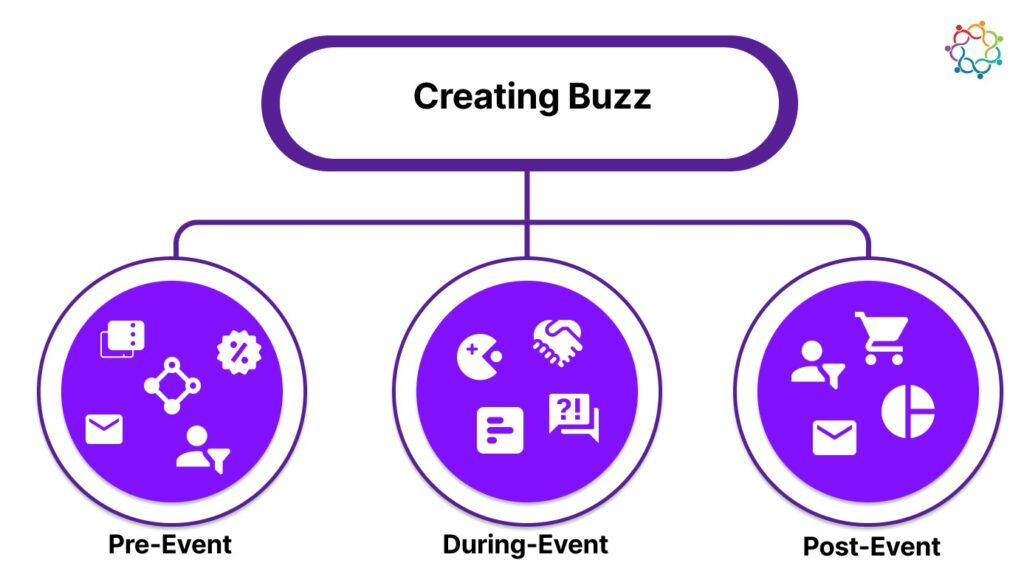
Building anticipation for an event is crucial for driving attendance and engagement. Here’s how to create an effective buzz throughout the event lifecycle:
Pre-Event:
During the Event:
Post-Event:
Influencers: Your PR Multiplier
In the realm of event marketing, influencers can significantly enhance your brand’s visibility and credibility. Here’s how to effectively leverage their impact:
Identify the Right Influencers: Select those who align with your brand values and target audience, ensuring authenticity in their promotion.
Collaborative Opportunities: Offer influencers unique benefits, such as exclusive access or tailored experiences, creating a mutually beneficial relationship.
Pre-Event Buzz: Encourage influencers to generate excitement by sharing sneak peeks, registration links, and personal stories leading up to the event.
Engagement During the Event: Plan exclusive activities for influencers, such as interviews or behind-the-scenes tours, to deepen their connection to your brand.
Post-Event Sharing: Ask influencers to share their experiences after the event, amplifying the message and sustaining audience interest.
Conclusion: Embrace the Event Marketing Powerhouse
In today’s competitive landscape, embracing the power of event marketing can transform your PR efforts, creating authentic connections and lasting impressions. By leveraging strategic event planning, innovative marketing techniques, and influencer partnerships, brands can engage their audiences like never before.
To explore how you can harness these strategies effectively, consider trying out Samaaro. Our platform offers a seamless solution for event management, enabling you to create memorable experiences while measuring their impact.
Request a demo or start your free trial today to see how we can help elevate your event marketing strategy and redefine your brand’s PR success!