Samaaro + Your CRM: Zero Integration Fee for Annual Sign-Ups Until 30 June, 2025
- 00Days
- 00Hrs
- 00Min

Referral programs are one of the most effective organic techniques to drive event registrations and in the UAE, where personal networks and trust really matter in terms of decision-making, a well-designed program may increase attendance while reducing acquisition expenses. The audience is digitally linked to a great extent and prefers exclusive experiences. Hence, organizers need to customize incentives as per the region’s cultural and business aspects, rather than reuse a standard playbook developed for a different market.
This article discusses how to create referrals that appeal to locals, how to market them correctly across social platforms, how to measure and reward participation, and how to build the kind of business network that can sustain a program on its own as part of a broader event marketing strategy rather than as a standalone tactic. ctic.
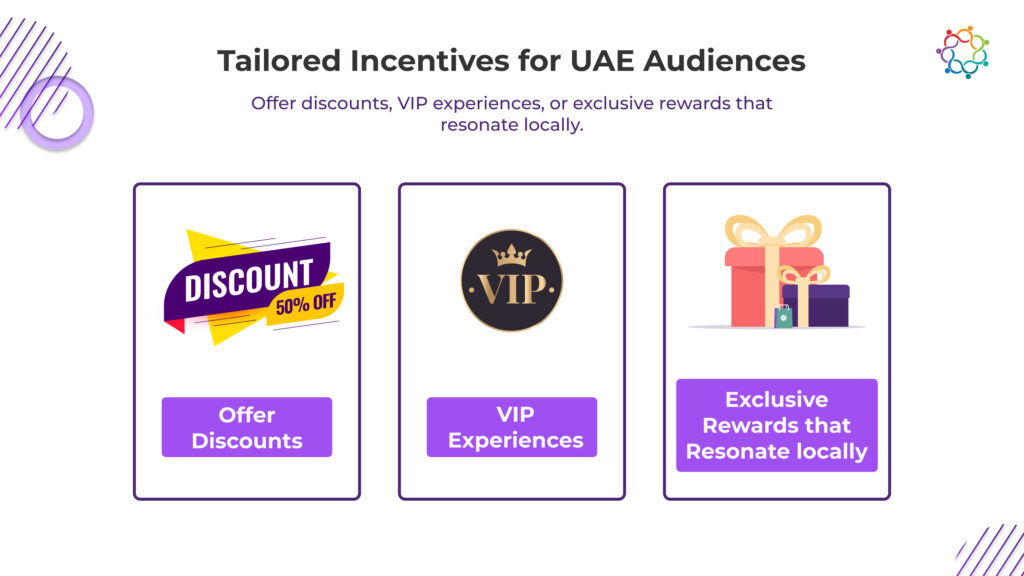
The UAE has a highly diverse population, expatriates and Emiratis alike, with different preferences around what actually motivates a referral. A few factors matter here specifically: a strong pull toward luxury and exclusivity, where VIP access or a backstage pass outperforms a standard discount; a real preference for cash and voucher rewards through retailers people already use; networking perks for B2B events, like a meet-and-greet with an industry leader; loyalty-based tiered rewards, since UAE consumers are already used to that structure; and experiential incentives like travel vouchers or fine dining that carry genuine appeal.
Large regional events and brands illustrate the pattern well. A major technology exhibition like GITEX Global, for instance, is the kind of event where discounted tickets or early access for referring a colleague would fit naturally, and fitness or lifestyle brands often see strong response from exclusive merchandise or training access tied to referral counts. Luxury fashion and automotive brands tend to lean on VIP access or early product previews for the same reason.
Whatever the incentive, it should scale with the event itself. A high-ticket conference might offer early-bird pricing or an extra pass for a colleague. A free expo does better with a networking lounge or priority entry. A paid workshop can offer a certification or a discount on future enrollment. Matching incentive value to event value is what keeps a referral program credible rather than gimmicky, since an oversized reward on a low-cost event tends to attract people chasing the prize rather than genuinely interested in attending.

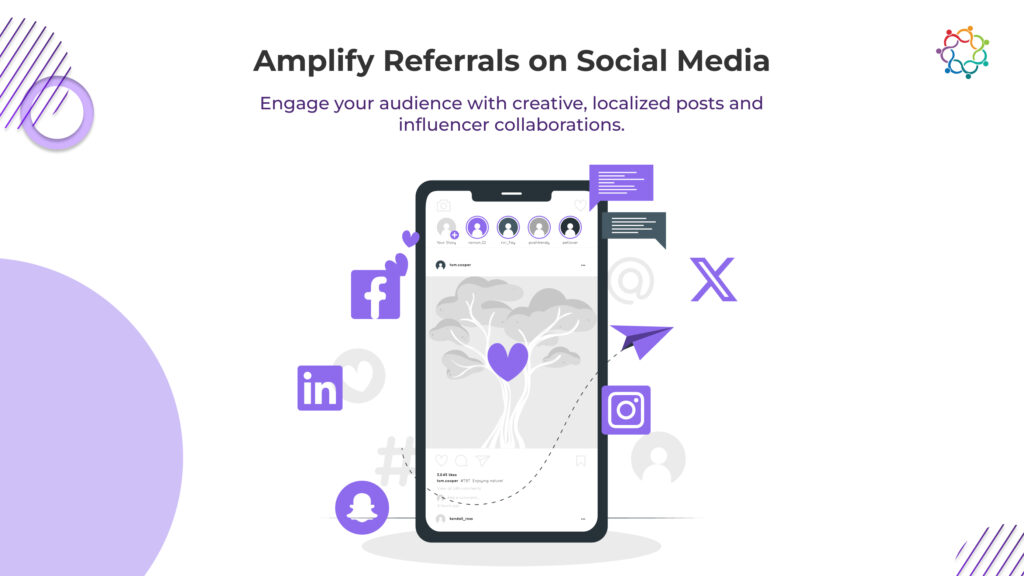
The UAE has one of the highest social media penetration rates globally, which makes the platform choice itself a real strategic decision. Instagram and Snapchat suit visual event promotion and influencer partnerships well. Facebook works for community groups. LinkedIn is the natural home for B2B and professional events. TikTok fits youth-oriented and lifestyle events specifically, and picking the wrong platform for the audience wastes budget no matter how good the content itself is.
Content that actually drives referrals tends to share a few traits: a limited-time bonus that creates real urgency, genuine user-generated content from past attendees, story highlights featuring real testimonials, a direct call to action like “tag a friend who needs to be here,” and a referral competition with a clear reward structure. Partnering with local influencers, using region-specific hashtags, and running a live Q&A with speakers all extend visibility further without adding much cost.

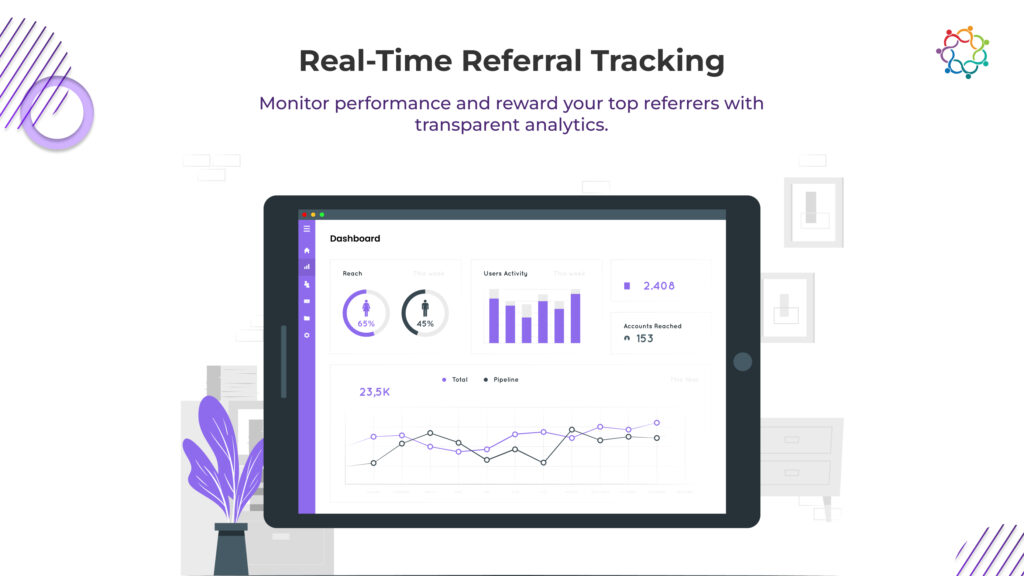
None of this works without real measurement behind it. The metrics worth tracking: referral conversion rate, engagement on referral links, which channel actually drives the most sign-ups, and who the top referrers actually are, since a small handful of people usually drive a disproportionate share of any successful program.
A good reward system stays simple and genuinely motivating: tiered rewards that scale with referral count, instant gratification through a digital voucher rather than a delayed payout, and a bit of gamification through a leaderboard or milestone reward. Getting the tracking infrastructure right matters just as much, UTM parameters and referral codes to monitor activity, direct integration with the event registration system so nothing gets tracked manually, and automated updates that keep participants informed about their status without them having to ask a support inbox for confirmation.

The UAE’s business culture runs on relationships, which makes industry networks a genuinely underused referral channel. Engaging with business chambers and trade associations opens doors to a wider professional audience at once. Sector-specific groups, fintech, healthcare, real estate, keep a referral program relevant to the exact audience it’s meant for. Corporate partnerships with complementary businesses tap into a client base an organizer wouldn’t otherwise reach, and LinkedIn remains the default channel for reaching UAE professionals directly, whether through group activity, InMail outreach, or a partnership with a thought leader.
Beyond formal networking, a genuine community of referrers sustains a program long after the initial push. A dedicated WhatsApp or Telegram group gives top referrers early access and a sense of belonging. Publicly recognizing active referrers in event communications reinforces that behavior. Pre-event meetups or webinars build the relationships that eventually turn into referrals, and a longer-term ambassador program turns a handful of loyal attendees into a standing promotional channel that keeps producing results well past a single event cycle.

Well-connected local partners can meaningfully extend a referral program’s reach. Corporate sponsors and industry leaders bring their own networks into the mix. Local media and trade publications extend visibility past an organizer’s own audience. Local influencers and thought leaders add credibility that a brand’s own promotion can’t manufacture. Universities and educational institutions bring in student and alumni participation for conferences or career fairs specifically, a segment that’s otherwise hard to reach through paid channels alone.
The partnership itself works best structured clearly: co-branded promotion in exchange for endorsement, a revenue share or commission for a media or influencer partner, an exclusive discount code or challenge for a specific partner’s audience, and genuine cross-promotion at a partner’s own event rather than a one-way ask.
A referral program shouldn’t run in isolation. It needs to sit inside the broader event marketing plan, alongside email, content, and paid social.
On email, that means personalized referral invitations built into announcement sends, exclusive rewards offered to past attendees specifically, and automated reminders as a registration deadline approaches. On content, it means real testimonials and case studies about past referrers, a clear explanation of the program on the event page itself, and top-referrer stories featured in a newsletter. On paid social, lookalike audiences built from past referrers, and retargeting for anyone who visited the referral page without completing it. On the ground, incentivizing referrals directly at pre-event meetups and using ambassadors to promote the program in person.
Measuring how well this all works together means tracking referral conversion rate, which channel actually drives referral traffic, engagement on referral content specifically, and cost per referred attendee against paid acquisition. UTM parameters and a connected CRM dashboard make that comparison possible without stitching together separate reports by hand.
Looking ahead, a few shifts are already shaping how referral marketing works in the region: gamified leaderboards with tiered rewards, AI-driven matching that suggests the right invitee for a given referrer, and a growing reliance on micro-influencers over big-name endorsements.
A strong referral program can meaningfully boost event registrations in the UAE when the incentives, promotion, tracking, and network-building all work together instead of running as separate efforts. Tailor incentives to what the local audience actually values, promote through the right social channels, measure what’s working, and build the industry relationships that keep referrals coming without constant manual effort.
An event management platform that ties registration, referral tracking, and promotion together in one place is what makes a program like this sustainable, rather than something rebuilt from scratch for every event.
Curious what this looks like for your next event? Book a demo with Samaaro today.

Samaaro is an AI-powered event marketing platform that enables marketing teams to turn events into a measurable growth channel by planning, promoting, executing, and measuring their business impact.
Location


© 2026 — Samaaro. All Rights Reserved.