Samaaro + Your CRM: Zero Integration Fee for Annual Sign-Ups Until 30 June, 2025
- 00Days
- 00Hrs
- 00Min

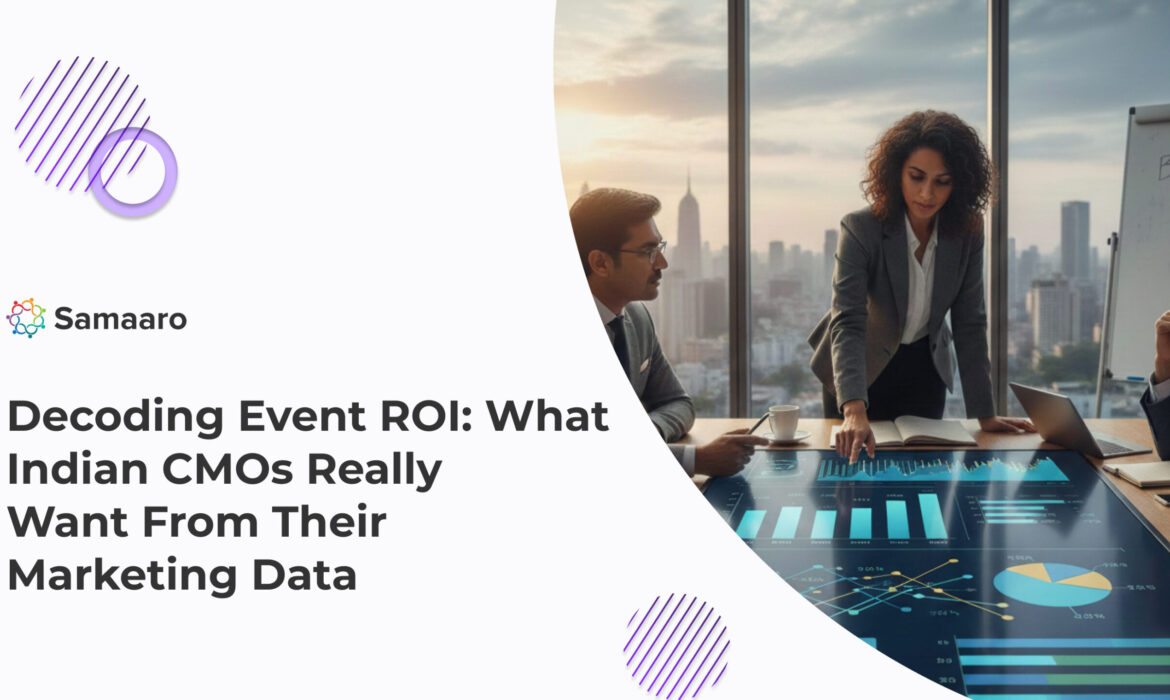
Indian CMOs Are Done With Vanity Metrics
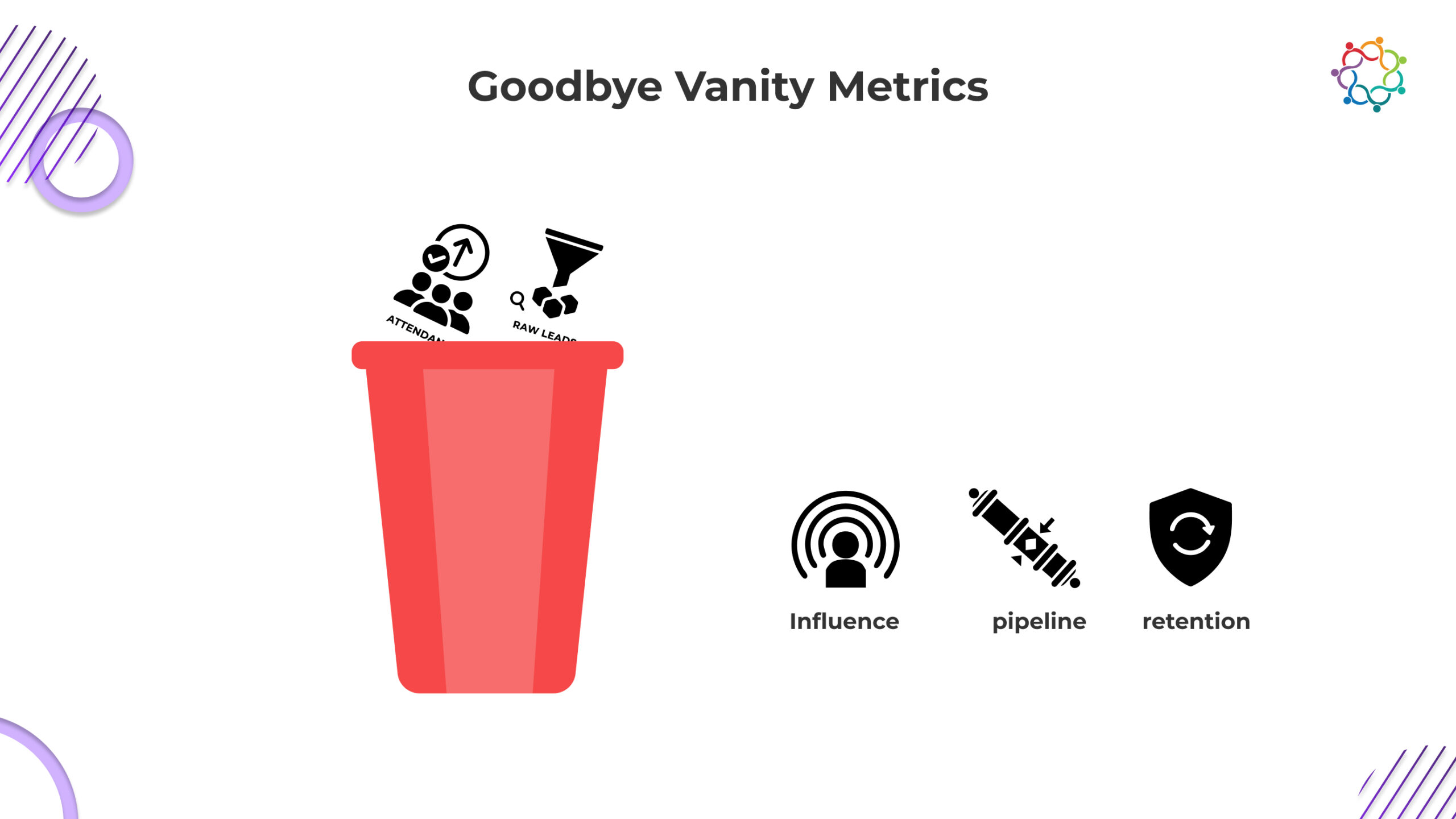
Indian CMOs are no longer impressed by attendance numbers, badge scans, or raw lead volumes. As customer acquisition costs rise and enterprise buying cycles lengthen, leadership scrutiny on marketing spend has intensified. Events are no longer evaluated as brand showcases, they are evaluated as business levers.
For CMOs managing growth across regions, verticals, and buying committees, event ROI is defined by outcomes, not activity. The questions they ask are sharper: Did the event influence pipeline progression? Did it engage the right stakeholders within key accounts? Did it accelerate deal velocity, deepen account penetration, or improve retention?
In 2026, event ROI is no longer a post-event justification exercise. It is a forward-looking measurement of influence, velocity, and business impact. CMOs expect event data to connect directly to CRM systems, reflect real buyer behaviour, and guide future investment decisions. Anything less is noise.
Metrics That Tie Directly to Pipeline and Influence
Indian CMOs prioritise metrics that show whether events moved the business forward, not whether they were busy.
The strongest indicators of impact are tied to buying behaviour: meeting outcomes, account-level content engagement, qualified booth interactions, and follow-up actions that signal real commercial intent. These metrics reveal whether events created meaningful conversations or merely passive exposure.
What CMOs want to understand is progression. They track whether accounts that engaged at an event moved from awareness to consideration, whether additional stakeholders entered the buying process, and whether deal velocity improved post-engagement. Events are evaluated inside the CRM, not outside it.
This perspective reframes success. An event with fewer attendees but deeper engagement across priority accounts can outperform a large-scale activation that produces surface-level interest. CMOs want visibility into which sessions influenced decision-makers, which interactions shortened sales cycles, and which events justified continued investment.
From a leadership standpoint, event ROI is proven when marketing activity demonstrably contributes to pipeline movement. Metrics that fail to show this connection are no longer considered strategic.
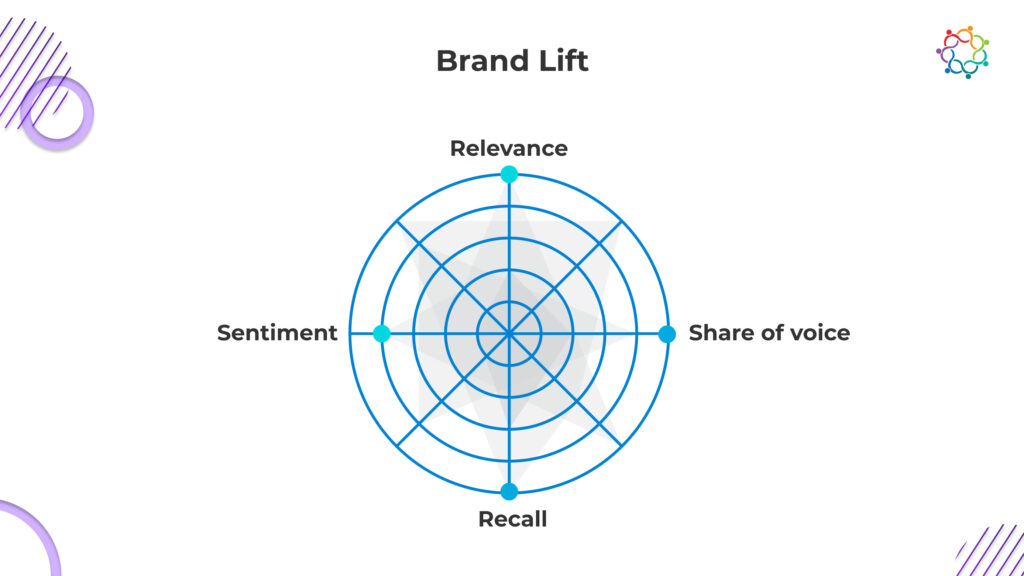
While pipeline influence matters, Indian CMOs also care deeply about how events shape long-term brand perception.
Events are among the few channels where brands operate in high-attention, peer-driven environments. As a result, they play a disproportionate role in defining category relevance, thought leadership, and trust. CMOs therefore track brand lift through indicators such as share of voice, sentiment change, and thematic association over time.
What matters is not isolated buzz, but consistency. Increased discussion among target accounts, improved post-event sentiment, or stronger association with themes like innovation, reliability, or domain leadership signal that events are reinforcing brand equity in ways digital channels alone cannot.
When measured across multiple events, these signals help CMOs make strategic decisions: which narratives to scale, which formats to discontinue, and which event properties contribute to sustainable competitive advantage. Brand metrics, in this context, are not abstract, they are indicators of future demand strength.
For CMOs, effective event ROI balances immediate pipeline impact with long-term brand influence. Events that achieve both earn a permanent place in the marketing mix.
For Indian CMOs, the most credible signal of event ROI is not a single successful edition, but behaviour that repeats over time.
Metrics such as repeat attendance, returning account participation, and cohort-level engagement reveal whether events are building durable relationships or generating one-off interest. When the same professionals, buying groups, or enterprise accounts consistently return across event cycles, it indicates sustained relevance and trust, outcomes that compound far beyond immediate conversions.
CMOs also look closely at loyalty indicators such as Net Promoter Score (NPS), advocacy signals, and post-event referrals. These metrics act as leading indicators of long-term value. Attendees who recommend events are more likely to deepen engagement, participate across future programs, and influence peers within their organisations.
In enterprise-heavy sectors such as BFSI, SaaS, and infrastructure, where relationships mature slowly, this continuity matters more than volume. CMOs evaluate which event formats, themes, and communities create lasting participation over multiple years, not short-term spikes in engagement.
This is where event ROI evolves from campaign performance to lifetime value. Events that build loyal cohorts become strategic platforms for retention, cross-sell, and ecosystem development, not just demand generation.
Samaaro Spotlight: Making Event ROI Visible to Leadership
CMOs don’t need more event reports. They need clarity on what moved the business.
Samaaro helps marketing teams translate event activity into outcomes that leadership actually reviews—pipeline movement, account influence, and long-term engagement value.
Instead of treating events as isolated campaigns, Samaaro structures them as part of a connected growth system.
How Samaaro supports CMO-level ROI evaluation:
With this approach, event ROI is no longer inferred. It is visible, comparable, and defensible at the leadership level, allowing CMOs to evaluate events as strategic growth levers rather than discretionary spend.
For Indian CMOs, event ROI is no longer a retrospective justification exercise. It is a forward-looking decision framework.
Metrics must do more than validate spend. They must inform where budgets shift, which narratives scale, and how marketing aligns with pipeline, retention, and brand strategy. Events that cannot demonstrate influence on these outcomes quickly lose credibility at the leadership table.
As enterprises grow more complex and accountability increases, CMOs expect event data to function as executive intelligence, clear, integrated, and tied to business impact. Measured this way, events stop competing for budget and start earning it.
They become instruments of growth, not line items to defend.