Samaaro + Your CRM: Zero Integration Fee for Annual Sign-Ups Until 30 June, 2025
- 00Days
- 00Hrs
- 00Min

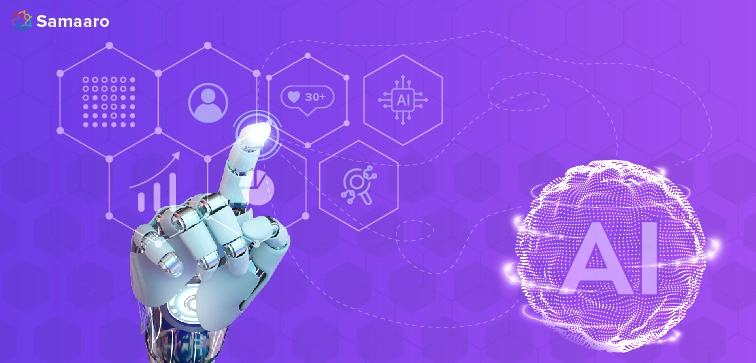
Event planning used to run almost entirely on manual coordination, spreadsheets, phone calls, and a lot of guesswork about what an audience actually wanted. AI has changed that. It can now handle pieces of the process that used to eat hours: registration and ticketing, audience targeting, and even real-time support during the event itself, freeing up the team to focus on the parts of an event that actually need human judgment.
Most people associate AI in events with matchmaking, the feature that connects attendees with shared interests. That’s a small part of what’s actually possible. Tools like ChatGPT generate event content directly, and chatbots now handle attendee questions around the clock instead of routing everyone through a support team. A chatbot doesn’t just answer FAQs either, it can sort users by role and point them toward what’s actually relevant to them, rather than treating every visitor to a help desk the same way.
This piece covers where AI genuinely helps across the event lifecycle: planning, content ideation, and everything that happens once the event wraps.
AI supports project management through call analysis, automatic follow-ups, and data insights pulled directly from event conversations. It can extract the key points from a discussion, flag action items, and capture the details that would otherwise get lost in a long meeting, the kind of detail that usually only survives if someone happened to be taking careful notes.
Beyond that, AI can generate a high-level summary of a meeting or presentation, decisions made, actions assigned, without anyone having to read through the full transcript. It can also surface attendee sentiment and preferences directly from event data, giving a project manager something concrete to plan around instead of relying on impressions formed from a handful of hallway conversations.
Picking the right topic for an event is harder than it sounds, and AI can narrow that search meaningfully. It can scan platforms like LinkedIn and X for threads and discussions generating real engagement, then weigh likes, comments, and shares against how closely a topic actually fits the event’s theme, rather than picking a subject because it felt timely last quarter.
AI tools can also pull feedback from surveys, social platforms, forums, and past feedback forms, then organize it for review. Extracting keywords and sentiment from that data gives organizers a genuinely evidence-based read on what an audience actually wants to hear about, rather than a guess based on what worked last year.
AI models can support session ideation directly, suggesting subjects, content goals, and writing styles to work from. They can help define what a session is actually for, whether the goal is to educate, entertain, inspire, or spark discussion, and that clarity shapes everything else about how the session gets built.
On structure, AI can suggest session length, the order of activities, and a reasonable balance between presentation, discussion, and hands-on interaction. It can also help nail down tone and writing style for slides, handouts, and promotional copy. None of this replaces the person actually running the session. It gives them a faster starting point, and the combination of human judgment and AI-generated groundwork tends to produce a session that resonates better than either one alone.
AI can support speaker selection by pulling transcripts from past talks, analyzing how coherent and well-structured a speaker’s delivery actually is, and summarizing their key points. That gives organizers a genuine basis for comparing speakers side by side instead of relying on a reel or a recommendation alone, which can flatter a speaker who’s better at self-promotion than at actually holding a room.
It can also look at a potential speaker’s online presence, social engagement, and standing in their industry, which speeds up the vetting process and helps confirm that a speaker is actually going to hold an audience’s attention, not just look good on a lineup.
Event teams routinely struggle to make sense of the sheer volume of data an event generates. AI makes that genuinely more manageable, automating feedback collection and organizing responses for review instead of leaving someone to sort through it by hand row by row. These tools go past basic collection too, letting organizers ask specific questions of the data and pull out insights that a manual read-through would likely miss entirely.
AI can also summarize feedback into a short, digestible list of the key findings. Used well, this is what actually closes the loop between one event and the next, letting organizers spot what worked and what didn’t without spending days combing through raw survey responses. That data feeding directly into event ROI analysis is what turns feedback into a real decision, not just a stack of comments nobody revisits.
AI is a genuinely useful partner across the event lifecycle, whether that’s generating session ideas, defining content goals, suggesting a writing style, or helping organizers actually understand their audience. Combining human creativity and judgment with what AI can process at scale is what produces events people actually remember, not either one working alone, and not a fully automated pipeline that skips the human read entirely.
Event management software built to bring these AI capabilities together with everyday event logistics is what makes this genuinely usable, rather than a handful of disconnected tools an organizer has to stitch together manually.
Curious what this looks like for your next event? Book a demo with Samaaro today.